


- Afhalen na 1 uur in een winkel met voorraad
- Gratis thuislevering in België vanaf € 30
- Ruim aanbod met 7 miljoen producten
- Afhalen na 1 uur in een winkel met voorraad
- Gratis thuislevering in België vanaf € 30
- Ruim aanbod met 7 miljoen producten




Omschrijving
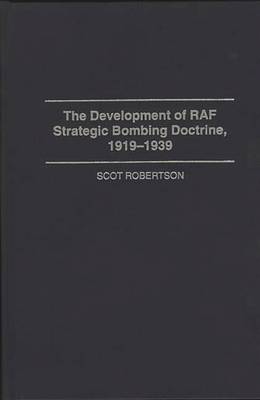
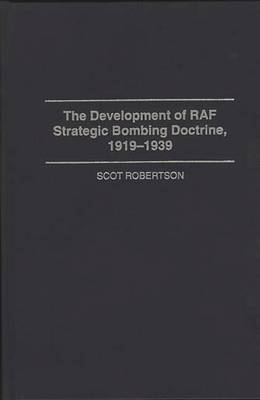
The history of strategic bombing is inextricably intertwined with the history of the Royal Air Force. This book explores the question of doctrinal development in the RAF. It employs a neo-Clausewitzian analysis to reveal that the RAF based the preparation of its strategic bombing force on supposition and hypothesis. Rather than review the evidence of the First World War objectively to determine the fundamental principles of strategic bombing, the RAF adopted a subjective approach. The failure to develop a realistic theory of strategic bombing and to test it through a dialectical process resulted in a lack of attention to the equally necessary element of doctrine. Bomber Command was incapable of carrying out a strategic bombing campaign because it failed in peace to develop the necessary doctrine.
Specificaties
Betrokkenen
- Auteur(s):
- Uitgeverij:
Inhoud
- Aantal bladzijden:
- 224
- Taal:
- Engels
- Reeks:
Eigenschappen
- Productcode (EAN):
- 9780275949976
- Verschijningsdatum:
- 24/01/1995
- Uitvoering:
- Hardcover
- Formaat:
- Genaaid
- Afmetingen:
- 156 mm x 234 mm
- Gewicht:
- 485 g


Alleen bij Standaard Boekhandel
+ 339 punten op je klantenkaart van Standaard Boekhandel
Cadeau

AANGERADEN


Beoordelingen
We publiceren alleen reviews die voldoen aan de voorwaarden voor reviews. Bekijk onze voorwaarden voor reviews.