


- Afhalen na 1 uur in een winkel met voorraad
- Gratis thuislevering in België vanaf € 30
- Ruim aanbod met 7 miljoen producten
- Afhalen na 1 uur in een winkel met voorraad
- Gratis thuislevering in België vanaf € 30
- Ruim aanbod met 7 miljoen producten





Omschrijving
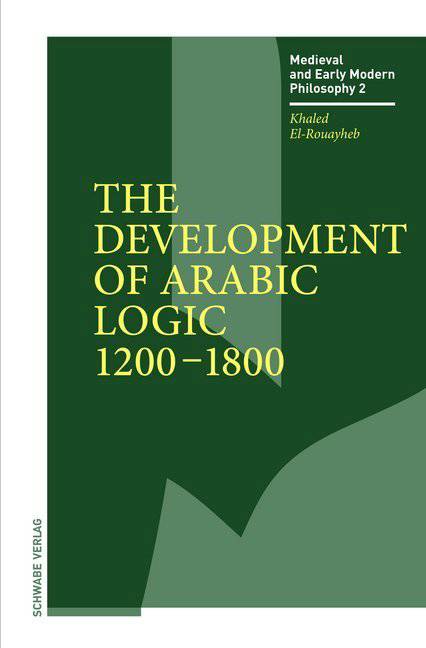
Recent years have seen a dramatic change in scholarly views of the later career of Arabic and Islamic philosophy. For much of the twentieth century, researchers tended to dismiss the value of Arabic writings on philosophy and logic after the twelfth century, often on the basis of the prejudice that handbooks, commentaries and glosses are of necessity pedantic and unoriginal. This assumption has now been abandoned. As a consequence, a vast amount of later Arabic writings on philosophy and logic, hitherto neglected, are now being studied and edited. The present work is an attempt at giving an overview of the development of Arabic logic from 1200 to 1800, identifying major themes, figures and works in this period, while taking into account regional differences within the Islamic world. It offers a corrective to Nicholas Rescher's seminal but now outdated The Development of Arabic Logic, published in 1964.
Specificaties
Betrokkenen
- Auteur(s):
- Uitgeverij:
Inhoud
- Aantal bladzijden:
- 335
- Taal:
- Engels
- Reeks:
- Reeksnummer:
- nr. 2
Eigenschappen
- Productcode (EAN):
- 9783796539091
- Verschijningsdatum:
- 9/04/2019
- Uitvoering:
- Hardcover
- Formaat:
- Genaaid
- Afmetingen:
- 155 mm x 221 mm
- Gewicht:
- 635 g


Alleen bij Standaard Boekhandel
+ 122 punten op je klantenkaart van Standaard Boekhandel
Cadeau

AANGERADEN


Beoordelingen
We publiceren alleen reviews die voldoen aan de voorwaarden voor reviews. Bekijk onze voorwaarden voor reviews.