


- Afhalen na 1 uur in een winkel met voorraad
- Gratis thuislevering in België vanaf € 30
- Ruim aanbod met 7 miljoen producten
- Afhalen na 1 uur in een winkel met voorraad
- Gratis thuislevering in België vanaf € 30
- Ruim aanbod met 7 miljoen producten





€ 19,99
+ 19 punten
Eenvoudig bestellen
Veilig betalen


Onmiddellijk geleverd via e-mail
Omschrijving
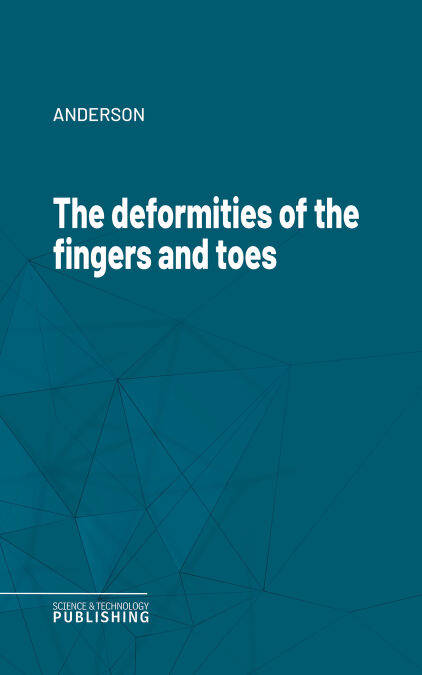
The Deformities of the Fingers and Toes is a comprehensive medical treatise authored by William Adams, a distinguished 19th-century British surgeon renowned for his expertise in orthopedic surgery. First published in 1894, this seminal work delves deeply into the anatomical, pathological, and clinical aspects of deformities affecting the fingers and toes. Drawing upon decades of clinical experience and observation, Adams meticulously describes a wide range of congenital and acquired deformities, including clubbed fingers, hammer toes, bunions, and other malformations. The book provides detailed accounts of the causes, symptoms, and progression of these conditions, supported by numerous case studies and illustrative engravings. Adams explores the underlying mechanisms of deformity, such as trauma, disease, hereditary factors, and improper footwear, offering insights into both prevention and management. He discusses the latest surgical and non-surgical treatments of his time, including splinting, corrective surgery, and physiotherapy, emphasizing the importance of early intervention and individualized care. The text is notable for its clear, systematic approach, making it accessible to both medical professionals and students. In addition to its clinical content, The Deformities of the Fingers and Toes reflects the medical knowledge and practices of the late Victorian era, providing valuable historical context for the evolution of orthopedic medicine. The book remains a significant reference for those interested in the history of surgery, the development of orthopedic techniques, and the enduring challenges of treating musculoskeletal deformities.
Specificaties
Betrokkenen
- Auteur(s):
- Uitgeverij:
Inhoud
- Taal:
- Engels
Eigenschappen
- Productcode (EAN):
- 9782528121757
- Verschijningsdatum:
- 31/08/2025
- Uitvoering:
- E-book
- Formaat:
- ePub



Alleen bij Standaard Boekhandel
+ 19 punten op je klantenkaart van Standaard Boekhandel
CADEAU

AANGERADEN


Beoordelingen
We publiceren alleen reviews die voldoen aan de voorwaarden voor reviews. Bekijk onze voorwaarden voor reviews.