


- Afhalen na 1 uur in een winkel met voorraad
- Gratis thuislevering in België vanaf € 30
- Ruim aanbod met 7 miljoen producten
- Afhalen na 1 uur in een winkel met voorraad
- Gratis thuislevering in België vanaf € 30
- Ruim aanbod met 7 miljoen producten





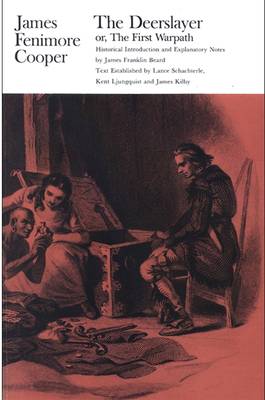
The Deerslayer or the First Warpath
James Fenimore Cooper
€ 62,95
+ 125 punten
Omschrijving
Written during a nostalgic interval during Cooper's stormy battles with the Whig Press, The Deerslayer (1841) is the last of the world-famous Leatherstocking Tales in point of composition, though first in the biographical sequence. Employing physical adventure and violence in a mythopoetic setting drawn largely from his own youthful experience, Cooper evokes the stages of Natty's initiation as a subtly allegorical medium for instilling permanent values, values he thought should pervade the conduct of the American press and all segments of American society. According to Edmund Wilson, this book--which D. H. Lawrence called "the loveliest and best" of the Leatherstocking series--contains description which "owes its power, like Melville's description of the Pacific or one of Poe's pieces on landscape gardening, to an emotional content which has charged the object and transformed it into a symbol. And the action has a reality which we recognize and accept as we read: the reality of a dream full of danger." -- The Shock of Recognition
Specificaties
Betrokkenen
- Auteur(s):
- Uitgeverij:
Inhoud
- Aantal bladzijden:
- 682
- Taal:
- Engels
- Reeks:
Eigenschappen
- Productcode (EAN):
- 9780873957908
- Verschijningsdatum:
- 15/03/1987
- Uitvoering:
- Paperback
- Formaat:
- Trade paperback (VS)
- Afmetingen:
- 153 mm x 228 mm
- Gewicht:
- 988 g


Alleen bij Standaard Boekhandel
+ 125 punten op je klantenkaart van Standaard Boekhandel
Cadeau

AANGERADEN


Beoordelingen
We publiceren alleen reviews die voldoen aan de voorwaarden voor reviews. Bekijk onze voorwaarden voor reviews.