


- Afhalen na 1 uur in een winkel met voorraad
- Gratis thuislevering in België vanaf € 30
- Ruim aanbod met 7 miljoen producten
- Afhalen na 1 uur in een winkel met voorraad
- Gratis thuislevering in België vanaf € 30
- Ruim aanbod met 7 miljoen producten





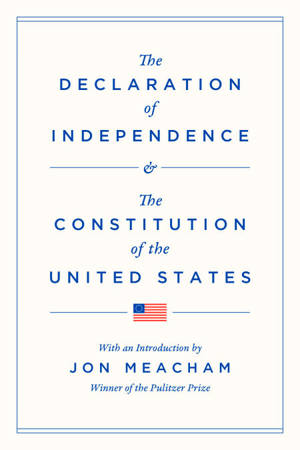
The Declaration of Independence and the Constitution of the United States E-BOOK
€ 11,55
+ 11 punten
Eenvoudig bestellen
Veilig betalen


Onmiddellijk geleverd via e-mail
Omschrijving
#1 New York Times bestselling author Jon Meacham introduces America's essential founding documents in an elegant, readable, and timeless volume.
In the winter of 1860–1861, facing the prospect of secession and civil war, President Abraham Lincoln held fast to the founding promise of the now-imperiled United States of America. The Declaration of Independence and the Constitution had forged the nation, and Lincoln intended to defend them. But even more importantly, Lincoln saw “something back of these, entwining itself more closely about the human heart. That something is the principle of ‘Liberty to all.’”
That principle remains as vital today as it has been throughout the first 250 years of our nation’s history. Presented here with an introduction by bestselling American historian and biographer Jon Meacham, the Declaration of Independence and the Constitution of the United States of America are both timeless and timely, offering a window into the complex poltical world of the nation's founders—and important lessons for our own. As Meacham writes, “If America is to be America, the foundational documents reprinted here must be not theoretical but tactile, not quaint but vivid, not dead but alive.”
In the winter of 1860–1861, facing the prospect of secession and civil war, President Abraham Lincoln held fast to the founding promise of the now-imperiled United States of America. The Declaration of Independence and the Constitution had forged the nation, and Lincoln intended to defend them. But even more importantly, Lincoln saw “something back of these, entwining itself more closely about the human heart. That something is the principle of ‘Liberty to all.’”
That principle remains as vital today as it has been throughout the first 250 years of our nation’s history. Presented here with an introduction by bestselling American historian and biographer Jon Meacham, the Declaration of Independence and the Constitution of the United States of America are both timeless and timely, offering a window into the complex poltical world of the nation's founders—and important lessons for our own. As Meacham writes, “If America is to be America, the foundational documents reprinted here must be not theoretical but tactile, not quaint but vivid, not dead but alive.”
Specificaties
Betrokkenen
- Uitgeverij:
Inhoud
- Aantal bladzijden:
- 96
- Taal:
- Engels
- Reeks:
Eigenschappen
- Productcode (EAN):
- 9798217154531
- Verschijningsdatum:
- 23/06/2025
- Uitvoering:
- E-book
- Beveiligd met:
- Adobe DRM
- Formaat:
- ePub

Alleen bij Standaard Boekhandel
+ 11 punten op je klantenkaart van Standaard Boekhandel
CADEAU

AANGERADEN


Beoordelingen
We publiceren alleen reviews die voldoen aan de voorwaarden voor reviews. Bekijk onze voorwaarden voor reviews.