


- Afhalen na 1 uur in een winkel met voorraad
- Gratis thuislevering in België vanaf € 30
- Ruim aanbod met 7 miljoen producten
- Afhalen na 1 uur in een winkel met voorraad
- Gratis thuislevering in België vanaf € 30
- Ruim aanbod met 7 miljoen producten





€ 2,99
+ 2 punten
Uitvoering
Omschrijving
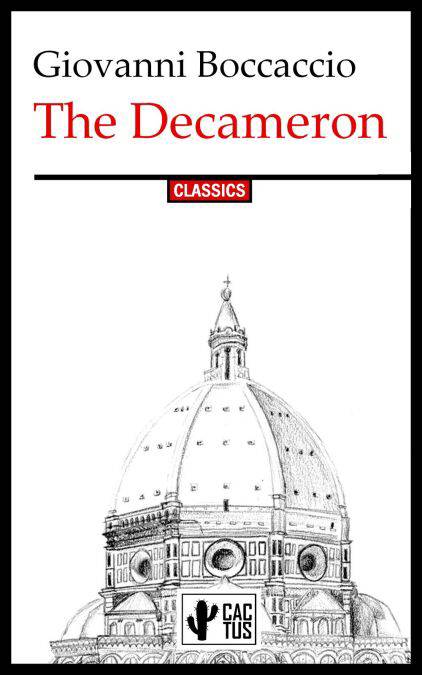
It is 1348: as the plague rages in Florence, ten young people flee to the countryside, and to pass the time pleasantly—and perhaps to forget the horror—they each tell a story over the course of ten days. This is the well-known “framework” that encompasses the most famous collection of short stories in European literature. The Decameron is, in fact, a masterpiece that still captivates readers with its variety of tones—sometimes humorous, sometimes tragic—and its ability to depict the infinite variety of life. Stories on any theme, tales with happy endings, and love stories—whether fortunate or tragic—alternate with examples of magnanimity, pranks and mockery, and heroic deeds, in a grand secular and profane epic of medieval man.
Specificaties
Betrokkenen
- Auteur(s):
- Vertaler(s):
- Uitgeverij:
Inhoud
- Taal:
- Engels
Eigenschappen
- Productcode (EAN):
- 9791256798711
- Verschijningsdatum:
- 20/05/2026
- Uitvoering:
- E-book
- Beveiligd met:
- Digital watermarking
- Formaat:
- ePub


Alleen bij Standaard Boekhandel
+ 2 punten op je klantenkaart van Standaard Boekhandel
Cadeau

AANGERADEN


Beoordelingen
We publiceren alleen reviews die voldoen aan de voorwaarden voor reviews. Bekijk onze voorwaarden voor reviews.