


- Afhalen na 1 uur in een winkel met voorraad
- Gratis thuislevering in België vanaf € 30
- Ruim aanbod met 7 miljoen producten
- Afhalen na 1 uur in een winkel met voorraad
- Gratis thuislevering in België vanaf € 30
- Ruim aanbod met 7 miljoen producten




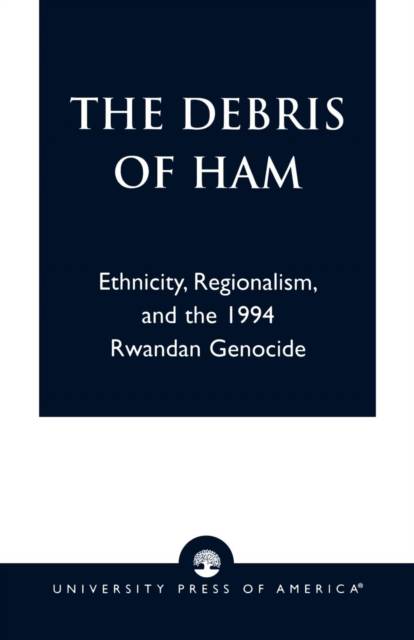
The Debris of Ham
Ethnicity, Regionalism, and the 1994 Rwandan Genocide
Aimable Twagilimana
Paperback | Engels
€ 152,95
+ 305 punten
Omschrijving
In the attempt to explain the mass killings of the Tutsi of Rwanda in April-July 1994, books written about the 1994 Rwandan genocide have focused on ethnicity at the expense of other factors, including the acrimonious history of regional politics in Rwanda since the turn of the twentieth century. In The Debris of Ham, Aimable Twagilimana argues that while ethnic ideology provided the materials for the relentless propaganda against the Tutsi and the Hutu of the political opposition in 1990-1994, in a parallel mode, regional politics provided the sine qua non that made the 1994 Rwandan genocide possible. This book investigates the juxtaposition of ethnicity and regionalism in Rwandan politics, and the unfolding of the worst mass murder at the end of the twentieth century.
Specificaties
Betrokkenen
- Auteur(s):
- Uitgeverij:
Inhoud
- Aantal bladzijden:
- 250
- Taal:
- Engels
Eigenschappen
- Productcode (EAN):
- 9780761825852
- Verschijningsdatum:
- 1/06/2003
- Uitvoering:
- Paperback
- Formaat:
- Trade paperback (VS)
- Afmetingen:
- 141 mm x 216 mm
- Gewicht:
- 331 g


Alleen bij Standaard Boekhandel
+ 305 punten op je klantenkaart van Standaard Boekhandel
AANGERADEN


Beoordelingen
We publiceren alleen reviews die voldoen aan de voorwaarden voor reviews. Bekijk onze voorwaarden voor reviews.