


- Afhalen na 1 uur in een winkel met voorraad
- Gratis thuislevering in België vanaf € 30
- Ruim aanbod met 7 miljoen producten
- Afhalen na 1 uur in een winkel met voorraad
- Gratis thuislevering in België vanaf € 30
- Ruim aanbod met 7 miljoen producten





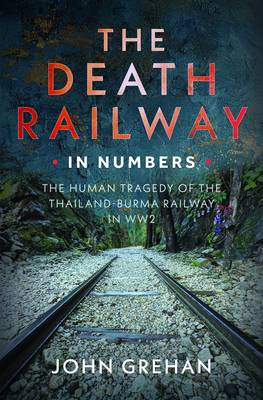
The Death Railway in Numbers
The Human Tragedy of the Thailand-Burma Railway in Ww2
John Grehan
Paperback | Engels
€ 20,95
+ 41 punten
Omschrijving
Between May 1942 and October 1943 Allied prisoners of war built and later helped maintain a railway which linked the rail networks of Thailand and Burma. Yet how many prisoners worked on the railway and how many died during its construction? How far did it run? How many stations and work camps were there along the line? How many times was the railway attacked by Allied bombers and how many times were Imperial Japanese Army soldiers attacked by elephants?
The answers to all these questions, along with the mass of intriguing facts and figures in this book, reveal not just how the railway was built and used, but the suffering and misery endured by the prisoners as they strove under the brutal direction of the Japanese railway engineers and the savage, merciless treatment of the guards in the working camps. How deep was the mud the prisoners had to struggle through to reach their workstations during the monsoon period, and how far did they have to struggle? How many hours did the prisoners work each day during the oppressive 'speedo' period, and what quantity of earth did they have to shift when clearing the jungle before they could return to camp?
There were, of course, lighter moments recorded. How far did PoWs dressed up as women for an event chase a thoroughly embarrassed Japanese guard? How many senior officers were invited by the Japanese to a slap-up, multi-course meal in the midst of the prisoners having to survive on starvation rations?
The Death Railway in Numbers is illuminated by the stories behind the numbers, often told by the ones who worked on the construction and subsequent maintenance of the railway. The details are fascinating, but the numbers reveal an horrific picture of one of the most shocking episodes of the twentieth century.
The answers to all these questions, along with the mass of intriguing facts and figures in this book, reveal not just how the railway was built and used, but the suffering and misery endured by the prisoners as they strove under the brutal direction of the Japanese railway engineers and the savage, merciless treatment of the guards in the working camps. How deep was the mud the prisoners had to struggle through to reach their workstations during the monsoon period, and how far did they have to struggle? How many hours did the prisoners work each day during the oppressive 'speedo' period, and what quantity of earth did they have to shift when clearing the jungle before they could return to camp?
There were, of course, lighter moments recorded. How far did PoWs dressed up as women for an event chase a thoroughly embarrassed Japanese guard? How many senior officers were invited by the Japanese to a slap-up, multi-course meal in the midst of the prisoners having to survive on starvation rations?
The Death Railway in Numbers is illuminated by the stories behind the numbers, often told by the ones who worked on the construction and subsequent maintenance of the railway. The details are fascinating, but the numbers reveal an horrific picture of one of the most shocking episodes of the twentieth century.
Specificaties
Betrokkenen
- Auteur(s):
- Uitgeverij:
Inhoud
- Aantal bladzijden:
- 192
- Taal:
- Engels
Eigenschappen
- Productcode (EAN):
- 9781036192013
- Verschijningsdatum:
- 30/10/2026
- Uitvoering:
- Paperback
- Formaat:
- Trade paperback (VS)
- Afmetingen:
- 159 mm x 235 mm


Alleen bij Standaard Boekhandel
+ 41 punten op je klantenkaart van Standaard Boekhandel
Cadeau

AANGERADEN


Beoordelingen
We publiceren alleen reviews die voldoen aan de voorwaarden voor reviews. Bekijk onze voorwaarden voor reviews.