


- Afhalen na 1 uur in een winkel met voorraad
- Gratis thuislevering in België vanaf € 30
- Ruim aanbod met 7 miljoen producten
- Afhalen na 1 uur in een winkel met voorraad
- Gratis thuislevering in België vanaf € 30
- Ruim aanbod met 7 miljoen producten





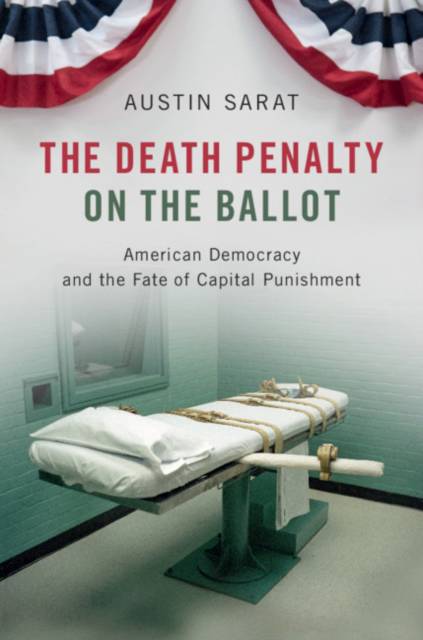
The Death Penalty on the Ballot
American Democracy and the Fate of Capital Punishment
Austin Sarat
Hardcover | Engels
€ 144,45
+ 288 punten
Uitvoering
Omschrijving
Investigating the attitudes about capital punishment in contemporary America, this book poses the question: can ending the death penalty be done democratically? How is it that a liberal democracy like the United States shares the distinction of being a leading proponent of the death penalty with some of the world's most repressive regimes? Reporting on the first study of initiative and referendum processes used to decide the fate of the death penalty in the United States, this book explains how these processes have played an important, but generally neglected, role in the recent history of America's death penalty. While numerous scholars have argued that the death penalty is incompatible with democracy and that it cannot be reconciled with democracy's underlying commitment to respect the equal dignity of all, Professor Austin Sarat offers the first study of what happens when the public gets to decide on the fate of capital punishment.
Specificaties
Betrokkenen
- Auteur(s):
- Uitgeverij:
Inhoud
- Aantal bladzijden:
- 202
- Taal:
- Engels
Eigenschappen
- Productcode (EAN):
- 9781108482103
- Verschijningsdatum:
- 18/04/2019
- Uitvoering:
- Hardcover
- Formaat:
- Genaaid
- Afmetingen:
- 224 mm x 236 mm
- Gewicht:
- 408 g



Alleen bij Standaard Boekhandel
+ 288 punten op je klantenkaart van Standaard Boekhandel
Cadeau

AANGERADEN


Beoordelingen
We publiceren alleen reviews die voldoen aan de voorwaarden voor reviews. Bekijk onze voorwaarden voor reviews.