


- Afhalen na 1 uur in een winkel met voorraad
- Gratis thuislevering in België vanaf € 30
- Ruim aanbod met 7 miljoen producten
- Afhalen na 1 uur in een winkel met voorraad
- Gratis thuislevering in België vanaf € 30
- Ruim aanbod met 7 miljoen producten





€ 119,95
+ 239 punten
Omschrijving
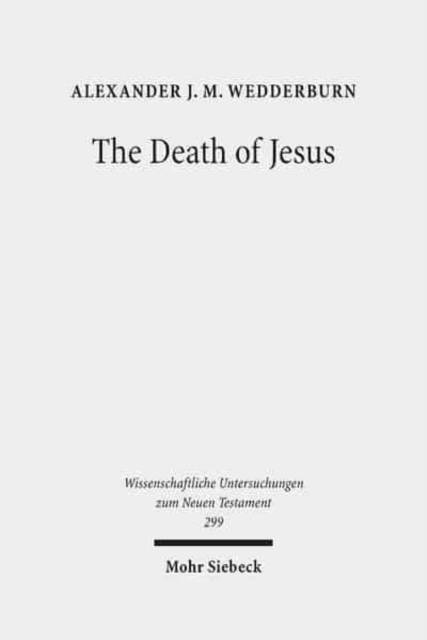
The death of Jesus and its interpretation present both exegetes and theologians with a puzzle. For Jesus himself seems to have left his followers few clues, and the story of his passion is ambivalent, embracing both his reluctant self-surrender in Gethsemane and his reproachful cry on Golgatha. Some of the various motifs and images used by his followers to explain this event were taken over by Paul despite the opposition he saw between the message of the cross and any human wisdom. Yet what meaning do two of the central themes of his soteriology, the corporate, representative role of Christ and the language of "righteousness" and "justification" hold for us today? Or does Paul offer just as little help here as Jesus himself did?
Specificaties
Betrokkenen
- Auteur(s):
- Uitgeverij:
Inhoud
- Aantal bladzijden:
- 226
- Taal:
- Engels
- Reeks:
- Reeksnummer:
- nr. 299
Eigenschappen
- Productcode (EAN):
- 9783161521140
- Verschijningsdatum:
- 1/02/2013
- Uitvoering:
- Hardcover
- Formaat:
- Genaaid
- Afmetingen:
- 163 mm x 231 mm
- Gewicht:
- 498 g


Alleen bij Standaard Boekhandel
+ 239 punten op je klantenkaart van Standaard Boekhandel
Cadeau

AANGERADEN


Beoordelingen
We publiceren alleen reviews die voldoen aan de voorwaarden voor reviews. Bekijk onze voorwaarden voor reviews.