



Bedankt voor het vertrouwen het afgelopen jaar! Om jou te bedanken bieden we GRATIS verzending (in België) aan op alles gedurende de hele maand januari.
- Afhalen na 1 uur in een winkel met voorraad
- In januari gratis thuislevering in België
- Ruim aanbod met 7 miljoen producten
Bedankt voor het vertrouwen het afgelopen jaar! Om jou te bedanken bieden we GRATIS verzending (in België) aan op alles gedurende de hele maand januari.
- Afhalen na 1 uur in een winkel met voorraad
- In januari gratis thuislevering in België
- Ruim aanbod met 7 miljoen producten





€ 27,45
+ 54 punten
Omschrijving
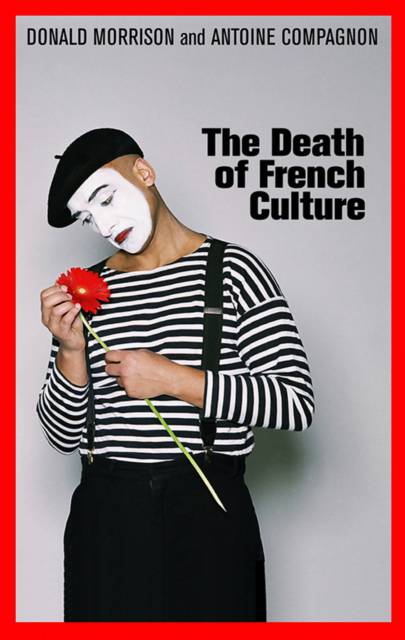
For a long time, France and its culture have been one and the same. The greatness of the former added to the influence of the latter, and vice versa. French writers, artists and philosophers were at the centre of the world's attention and enjoyed unparalleled prestige. Of this past glory, all that is left today is navel-gazing, nostalgia, and timidity. This was the disabused verdict reached by Donald Morrison, an American in Paris, at the conclusion his inquiry into the place of French culture in the world. The creativity of its artists may be undeniable, but the influence (ghostlike) and the importance (derisory) of France in cultural exchanges both go to show that French culture no longer speaks to the world. This decline ultimately suits the French national mentality, inclined as it is to lamentation and sorrow.
When Morrison originally published this piercing verdict on contemporary French culture in Time magazine in November 2007, it caused a sensation. Morrison was pilloried by the French press and attacked in countless newspapers, magazines and blogs. Morrison's article gave rise to an extended interrogation of French culture by admirers and critics alike.
Undeterred by the controversy, Morrison has returned to his original article to see how well his central arguments hold up in the light of the criticisms levelled at him. This new and updated version of his controversial text is accompanied by a thoughtful reply by Antoine Compagnon, who highlights a certain ambivalence within French culture, still capable of achieving the best but seemingly paralysed by its preoccupation with its own grandeur. This important exchange between Morrison and Compagnon will be of great interest to anyone concerned with French culture and its legacy in the world today.
When Morrison originally published this piercing verdict on contemporary French culture in Time magazine in November 2007, it caused a sensation. Morrison was pilloried by the French press and attacked in countless newspapers, magazines and blogs. Morrison's article gave rise to an extended interrogation of French culture by admirers and critics alike.
Undeterred by the controversy, Morrison has returned to his original article to see how well his central arguments hold up in the light of the criticisms levelled at him. This new and updated version of his controversial text is accompanied by a thoughtful reply by Antoine Compagnon, who highlights a certain ambivalence within French culture, still capable of achieving the best but seemingly paralysed by its preoccupation with its own grandeur. This important exchange between Morrison and Compagnon will be of great interest to anyone concerned with French culture and its legacy in the world today.
Specificaties
Betrokkenen
- Auteur(s):
- Uitgeverij:
Inhoud
- Aantal bladzijden:
- 200
- Taal:
- Engels
Eigenschappen
- Productcode (EAN):
- 9780745649948
- Verschijningsdatum:
- 9/08/2010
- Uitvoering:
- Paperback
- Formaat:
- Trade paperback (VS)
- Afmetingen:
- 137 mm x 213 mm
- Gewicht:
- 204 g



Alleen bij Standaard Boekhandel
+ 54 punten op je klantenkaart van Standaard Boekhandel
SOLDEN


Beoordelingen
We publiceren alleen reviews die voldoen aan de voorwaarden voor reviews. Bekijk onze voorwaarden voor reviews.