


- Afhalen na 1 uur in een winkel met voorraad
- Gratis thuislevering in België vanaf € 30
- Ruim aanbod met 7 miljoen producten
- Afhalen na 1 uur in een winkel met voorraad
- Gratis thuislevering in België vanaf € 30
- Ruim aanbod met 7 miljoen producten





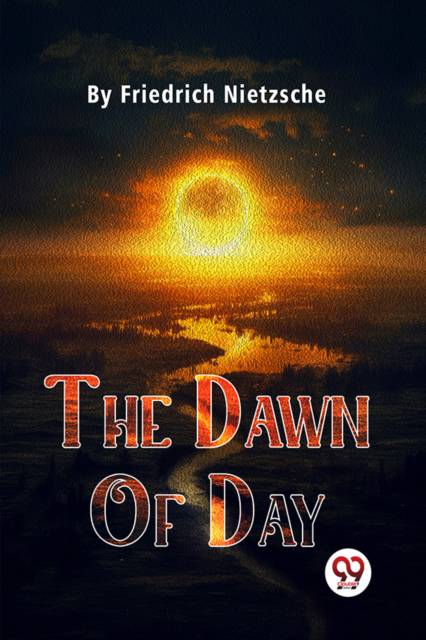
Omschrijving
Friedrich Nietzsche, a well-known philosopher from Germany, wrote a book titled "The Dawn of Day" that is philosophical in nature. Nietzsche covers a broad variety of topics and concepts in "The Dawn of Day," making insightful remarks on numerous facets of morality, culture, and society as well as human existence. The book is organized as a collection of aphorisms, pithy sayings that capture Nietzsche's opinions on many topics. With this structure, philosophical insights may be presented in a condensed and often intriguing way. Nietzsche criticizes traditional ideas and moral standards throughout the book, calling for a reevaluation of one's principles and a readiness to confront social conventions. He argues for a more individualistic and life-affirming viewpoint while criticizing the dominant Christian morality of the day. Nietzsche's idea of the "will to power," which highlights people's innate need to establish their own strength and conquer challenges, is what defines Nietzsche's philosophy. Nietzsche delves into a number of other subjects in "The Dawn of Day," including the nature of truth, the relevance of aesthetics and the arts, the importance of language, and the interaction between people and society. He stresses the need of self-reflection and the quest of personal satisfaction while expressing his skepticism regarding metaphysics and religious orthodoxy.
Specificaties
Betrokkenen
- Auteur(s):
- Uitgeverij:
Inhoud
- Aantal bladzijden:
- 226
- Taal:
- Engels
Eigenschappen
- Productcode (EAN):
- 9789358592115
- Verschijningsdatum:
- 1/07/2023
- Uitvoering:
- Paperback
- Formaat:
- Trade paperback (VS)
- Afmetingen:
- 140 mm x 216 mm
- Gewicht:
- 290 g



Alleen bij Standaard Boekhandel
+ 52 punten op je klantenkaart van Standaard Boekhandel
CADEAU

AANGERADEN


Beoordelingen
We publiceren alleen reviews die voldoen aan de voorwaarden voor reviews. Bekijk onze voorwaarden voor reviews.