


- Afhalen na 1 uur in een winkel met voorraad
- Gratis thuislevering in België vanaf € 30
- Ruim aanbod met 7 miljoen producten
- Afhalen na 1 uur in een winkel met voorraad
- Gratis thuislevering in België vanaf € 30
- Ruim aanbod met 7 miljoen producten





€ 30,45
+ 60 punten
Omschrijving
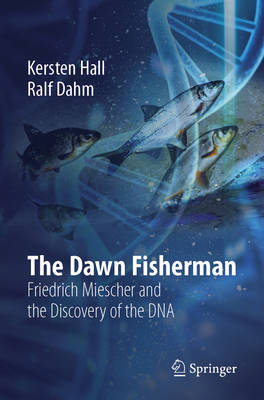
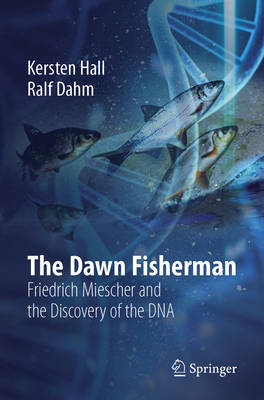
Thanks to blockbuster movies about superheroes and cloned dinosaurs, DNA now is an icon in popular culture. Yet if asked who discovered DNA, most people - including most scientists - would probably think of Watson and Crick, unaware that it all began almost a century earlier. This book tells the story of Swiss scientist Friedrich Miescher, whose pioneering work led to the discovery of DNA. Drawing on Miescher's publications and letters, the authors trace his breakthrough - from washing pus off discarded bandages in Tübingen's medieval castle to fishing salmon in the Rhine at dawn to study their sperm - and follow how his insights were received against a backdrop of intellectual rivalries, clashing egos, and fierce feuds that raged between disciplines. The book then explores what became of Miescher's discovery after his death, showing how a molecule long dismissed as biologically insignificant became central to powerful technologies that now shape our future. Finally, the authors examine the ethical, social, and political questions raised by such developments and why Miescher's story may matter today more than ever. Written in an engaging and accessible style, this account of Miescher's groundbreaking work will captivate anyone interested in the discovery of one of biology's most important and enigmatic molecules.
Specificaties
Betrokkenen
- Auteur(s):
- Uitgeverij:
Inhoud
- Aantal bladzijden:
- 324
- Taal:
- Engels
- Reeks:
Eigenschappen
- Productcode (EAN):
- 9783032142184
- Verschijningsdatum:
- 17/06/2026
- Uitvoering:
- Paperback
- Formaat:
- Trade paperback (VS)
- Afmetingen:
- 155 mm x 235 mm


Alleen bij Standaard Boekhandel
+ 60 punten op je klantenkaart van Standaard Boekhandel
Cadeau

AANGERADEN


Beoordelingen
We publiceren alleen reviews die voldoen aan de voorwaarden voor reviews. Bekijk onze voorwaarden voor reviews.