



Bedankt voor het vertrouwen het afgelopen jaar! Om jou te bedanken bieden we GRATIS verzending (in België) aan op alles gedurende de hele maand januari.
- Afhalen na 1 uur in een winkel met voorraad
- In januari gratis thuislevering in België
- Ruim aanbod met 7 miljoen producten
Bedankt voor het vertrouwen het afgelopen jaar! Om jou te bedanken bieden we GRATIS verzending (in België) aan op alles gedurende de hele maand januari.
- Afhalen na 1 uur in een winkel met voorraad
- In januari gratis thuislevering in België
- Ruim aanbod met 7 miljoen producten





€ 203,45
+ 406 punten
Omschrijving
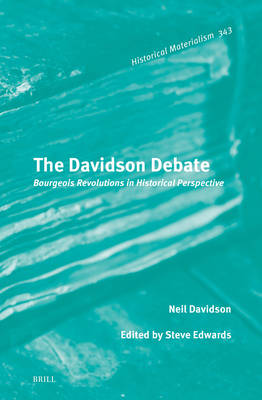
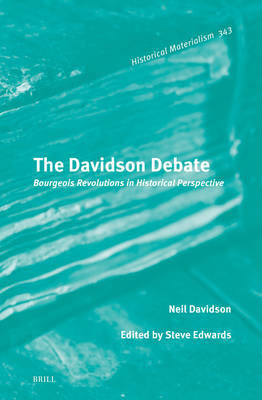
In the words of Mike Davis, Neil Davidson's How Revolutionary Were the Bourgeois Revolutions? (2012) "resets the entire debate on the character of revolutions: bourgeois, democratic, and socialist". Epic in scale and nuanced in its address to a wide range of questions on the emergence of capitalism, Davidson's book made a major contribution to understanding the historical character of political change. The Davidson Debate brings Bridget Fowler's introduction to the debates, with three important responses to the book by Dylan Riley, Charles Post and Heide Gerstenberger, as well as the authors long and sustained reply to his critics. Supplementing and extending his earlier work, this book represents an important further contribution to Marxist scholarship. The Davidson debate will, no doubt continue, and this collection will play an important role in future discussion of the important questions it addressed.
Specificaties
Betrokkenen
- Auteur(s):
- Uitgeverij:
Inhoud
- Aantal bladzijden:
- 256
- Taal:
- Engels
- Reeks:
- Reeksnummer:
- nr. 343
Eigenschappen
- Productcode (EAN):
- 9789004724327
- Verschijningsdatum:
- 20/11/2025
- Uitvoering:
- Hardcover
- Formaat:
- Genaaid
- Afmetingen:
- 155 mm x 235 mm
- Gewicht:
- 535 g


Alleen bij Standaard Boekhandel
+ 406 punten op je klantenkaart van Standaard Boekhandel

Beoordelingen
We publiceren alleen reviews die voldoen aan de voorwaarden voor reviews. Bekijk onze voorwaarden voor reviews.