


- Afhalen na 1 uur in een winkel met voorraad
- Gratis thuislevering in België vanaf € 30
- Ruim aanbod met 7 miljoen producten
- Afhalen na 1 uur in een winkel met voorraad
- Gratis thuislevering in België vanaf € 30
- Ruim aanbod met 7 miljoen producten





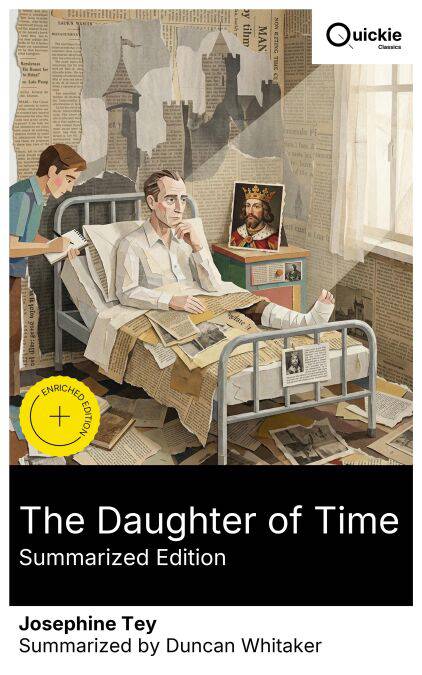
The Daughter of Time (Summarized Edition) E-BOOK
Enriched edition. A hospital-bed detective probes Richard III, untangling a historical murder with intricate prose, character dynamics, and truth-seeking.
Josephine Tey
E-book | Engels
€ 1,99
+ 1 punten
Uitvoering
Omschrijving
The Daughter of Time turns the detective novel inward: from a hospital bed, Inspector Alan Grant reopens the case against Richard III and the Princes in the Tower by testing portraits, chronicles, and bias rather than alibis and gunshots. Tey crafts a taut, dialogic inquiry in which sources are weighed like clues, exposing how official history can harden into legend. The prose is economical yet scintillant, with wit that never trivializes the argument. As an early meta-detective meditation on historiography, the book anticipates later debates about evidence and narrative authority. Its title invokes the old dictum that truth is the daughter of time, not decree. Josephine Tey, the pen name of Scottish writer Elizabeth MacKintosh, brought to crime fiction a playwright's ear and a historian's skepticism. Writing also as Gordon Daviot, she had dramatized the past on the stage, sharpening her sense of how reputations are made. Her preference for psychological motive over spectacle and her suspicion of received wisdom converge here, as she tests Tudor propaganda against primary testimony. Composed late in her career, the novel distills a lifetime of reading, theatre craft, and quiet contrarianism. A bracing classic for skeptics, Ricardians, and anyone who values evidence.
Quickie Classics summarizes timeless works with precision, preserving the author's voice and keeping the prose clear, fast, and readable—distilled, never diluted. Enriched Edition extras: Introduction · Synopsis · Historical Context · Brief Analysis · 4 Reflection Q&As · Editorial Footnotes.
Quickie Classics summarizes timeless works with precision, preserving the author's voice and keeping the prose clear, fast, and readable—distilled, never diluted. Enriched Edition extras: Introduction · Synopsis · Historical Context · Brief Analysis · 4 Reflection Q&As · Editorial Footnotes.
Specificaties
Betrokkenen
- Auteur(s):
- Uitgeverij:
Inhoud
- Aantal bladzijden:
- 86
- Taal:
- Engels
Eigenschappen
- Productcode (EAN):
- 8596547881131
- Verschijningsdatum:
- 9/01/2026
- Uitvoering:
- E-book
- Beveiligd met:
- Digital watermarking
- Formaat:
- ePub


Alleen bij Standaard Boekhandel
+ 1 punten op je klantenkaart van Standaard Boekhandel
Cadeau

AANGERADEN


Beoordelingen
We publiceren alleen reviews die voldoen aan de voorwaarden voor reviews. Bekijk onze voorwaarden voor reviews.