


- Afhalen na 1 uur in een winkel met voorraad
- Gratis thuislevering in België vanaf € 30
- Ruim aanbod met 7 miljoen producten
- Afhalen na 1 uur in een winkel met voorraad
- Gratis thuislevering in België vanaf € 30
- Ruim aanbod met 7 miljoen producten





€ 59,95
+ 119 punten
Omschrijving
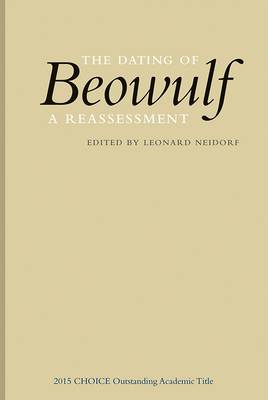
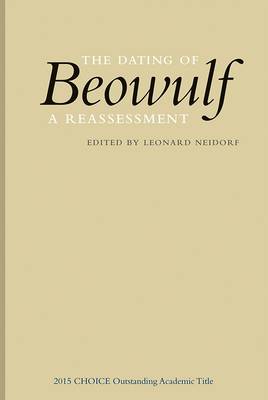
"This book will be a milestone, and deserves to be widely read. The early Beowulf that overwhelmingly emerges here asks hard questions, and the same strictly defined measures of metre, spelling, onomastics, semantics, genealogy, and historicity all cry out to be tested further and applied more broadly to the whole corpus of Old English verse." Andy Orchard, Rawlinson and Bosworth Professor of Anglo-Saxon, University of Oxford. The dating of Beowulf has been a central question in Anglo-Saxon studies for the past two centuries, since it affects not only the interpretation of Beowulf, but also the trajectory of early English literary history. By exploring evidence for the poem's date of composition, the essays in this volume contribute to a wide range of pertinent fields, including historical linguistics, Old English metrics, onomastics, and textual criticism. Many aspects of Anglo-Saxon literary culture are likewise examined, as contributors gauge the chronological significance of the monsters, heroes, history, and theology brought together in Beowulf. Discussions of methodology and the history of the discipline also figure prominently in this collection. Overall, the dating of Beowulf here provides a productive framework for evaluating evidence and drawing informed conclusions about its chronological significance. These conclusions enhance our appreciation of Beowulf and improve our understanding of the poem's place in literary history. Leonard Neidorf is a Junior Fellow at the Harvard Society of Fellows. Contributors: Frederick M. Biggs, Thomas A. Bredehoft, George Clark, Dennis Cronan, Michael D.C. Drout, Allen J. Frantzen, R.D. Fulk, Megan E. Hartman, Joseph Harris, Thomas D. Hill, Leonard Neidorf, Rafael J. Pascual, Tom Shippey
Specificaties
Betrokkenen
- Uitgeverij:
Inhoud
- Aantal bladzijden:
- 262
- Taal:
- Engels
- Reeks:
- Reeksnummer:
- nr. 24
Eigenschappen
- Productcode (EAN):
- 9781843844495
- Verschijningsdatum:
- 18/08/2016
- Uitvoering:
- Paperback
- Formaat:
- Trade paperback (VS)
- Afmetingen:
- 156 mm x 234 mm
- Gewicht:
- 371 g

Alleen bij Standaard Boekhandel
+ 119 punten op je klantenkaart van Standaard Boekhandel
CADEAU

AANGERADEN


Beoordelingen
We publiceren alleen reviews die voldoen aan de voorwaarden voor reviews. Bekijk onze voorwaarden voor reviews.