


- Afhalen na 1 uur in een winkel met voorraad
- Gratis thuislevering in België vanaf € 30
- Ruim aanbod met 7 miljoen producten
- Afhalen na 1 uur in een winkel met voorraad
- Gratis thuislevering in België vanaf € 30
- Ruim aanbod met 7 miljoen producten





€ 34,95
+ 69 punten
Omschrijving
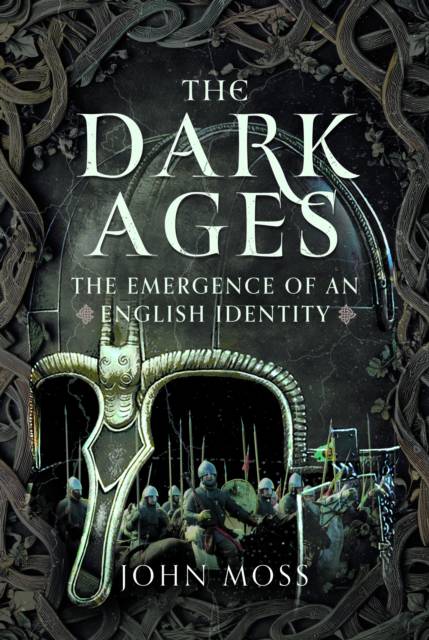
A reassessment of Britain's Early Medieval period, revealing its history, migrations, and cultures beyond the "Dark Ages" label.
What historically has been called the Dark Ages since the 14th century has proved to be less dark than previously thought. It would be true to say that the 600 year period following the Roman withdrawal from Britain until the Norman Invasion of 1066 was more 'obscure' than 'dark'.
It was a time of Angle, Saxon and Jute invasions of Britain prompted by mass migrations westward from Eastern Europe by warring tribes like the Goths, Vandals and Huns, by Vikings from the north, Moors from the east and Scotti tribes from the west. Most of these diverse peoples left scant written record of their history or culture, evidently more intent on conquest.
What is known of them comes from Early Medieval sources, like the Anglo-Saxon Chronicle, from religious Irish clerics and medieval writers like Bede, Nennius and Gildas who often relied on earlier unverifiable narratives. Later accounts by Henry of Huntingdon and Geoffrey of Monmouth were more akin to storytelling than history and were often lavishly interspersed with ancient myths and folklore.
In the light of contemporary studies and extensive archaeological research, this book attempts to cast a light into some of that obscurity.
What historically has been called the Dark Ages since the 14th century has proved to be less dark than previously thought. It would be true to say that the 600 year period following the Roman withdrawal from Britain until the Norman Invasion of 1066 was more 'obscure' than 'dark'.
It was a time of Angle, Saxon and Jute invasions of Britain prompted by mass migrations westward from Eastern Europe by warring tribes like the Goths, Vandals and Huns, by Vikings from the north, Moors from the east and Scotti tribes from the west. Most of these diverse peoples left scant written record of their history or culture, evidently more intent on conquest.
What is known of them comes from Early Medieval sources, like the Anglo-Saxon Chronicle, from religious Irish clerics and medieval writers like Bede, Nennius and Gildas who often relied on earlier unverifiable narratives. Later accounts by Henry of Huntingdon and Geoffrey of Monmouth were more akin to storytelling than history and were often lavishly interspersed with ancient myths and folklore.
In the light of contemporary studies and extensive archaeological research, this book attempts to cast a light into some of that obscurity.
Specificaties
Betrokkenen
- Auteur(s):
- Uitgeverij:
Inhoud
- Aantal bladzijden:
- 248
- Taal:
- Engels
Eigenschappen
- Productcode (EAN):
- 9781036120603
- Verschijningsdatum:
- 16/05/2026
- Uitvoering:
- Hardcover
- Formaat:
- Genaaid
- Afmetingen:
- 158 mm x 236 mm
- Gewicht:
- 517 g


Alleen bij Standaard Boekhandel
+ 69 punten op je klantenkaart van Standaard Boekhandel
Cadeau

AANGERADEN


Beoordelingen
We publiceren alleen reviews die voldoen aan de voorwaarden voor reviews. Bekijk onze voorwaarden voor reviews.