


- Afhalen na 1 uur in een winkel met voorraad
- Gratis thuislevering in België vanaf € 30
- Ruim aanbod met 7 miljoen producten
- Afhalen na 1 uur in een winkel met voorraad
- Gratis thuislevering in België vanaf € 30
- Ruim aanbod met 7 miljoen producten





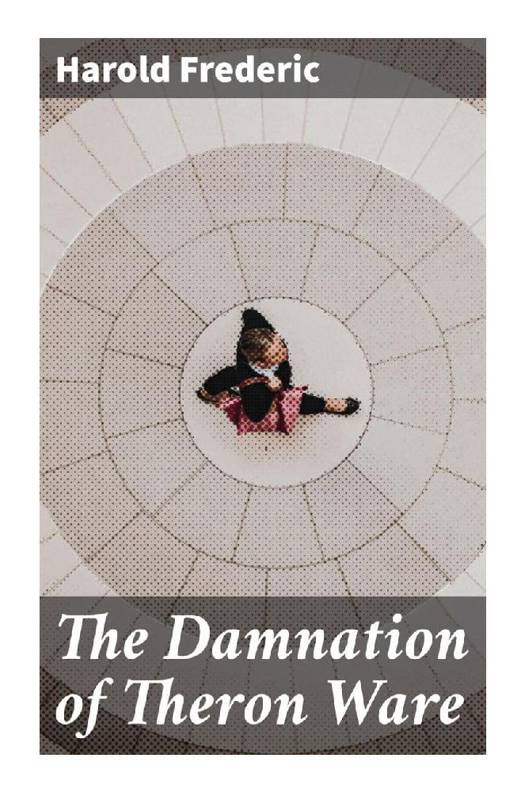
The Damnation of Theron Ware
A Gilded Age Tale of Faith, Ambition, and Moral Collapse in Upstate New York
Harold Frederic
Paperback | Engels
€ 12,95
+ 25 punten
Omschrijving
The Damnation of Theron Ware (1896), published in Britain as Illumination, follows a young Methodist minister whose provincial certainties collapse after encounters with Catholic aestheticism, scientific skepticism, and cosmopolitan sensuality. Set in upstate New York, the novel blends realist social observation with psychological irony, exposing the fragile foundations of religious authority and middle-class respectability. Its style is lucid, satirical, and increasingly claustrophobic, placing it among the key American works of late nineteenth-century realism and naturalism. Harold Frederic, born in New York in 1856, was both novelist and journalist, serving for years as a London correspondent for The New York Times. His career gave him a transatlantic perspective on American provincial life, institutional religion, politics, and the intellectual ferment of the fin de siècle. Frederic's familiarity with Methodism, ethnic tensions, and modern secular thought clearly informs Theron Ware's spiritual and moral disorientation. This is a rewarding novel for readers interested in the crisis of faith, the emergence of modern consciousness, and the darker comedy of self-deception. It deserves attention not merely as a period study, but as a penetrating account of ambition, desire, and intellectual vanity.
Specificaties
Betrokkenen
- Auteur(s):
- Uitgeverij:
Inhoud
- Taal:
- Engels
Eigenschappen
- Productcode (EAN):
- 9788027285198
- Uitvoering:
- Paperback
- Afmetingen:
- 152 mm x 229 mm
- Gewicht:
- 262 g


Alleen bij Standaard Boekhandel
+ 25 punten op je klantenkaart van Standaard Boekhandel
CADEAU

AANGERADEN


Beoordelingen
We publiceren alleen reviews die voldoen aan de voorwaarden voor reviews. Bekijk onze voorwaarden voor reviews.