


- Afhalen na 1 uur in een winkel met voorraad
- Gratis thuislevering in België vanaf € 30
- Ruim aanbod met 7 miljoen producten
- Afhalen na 1 uur in een winkel met voorraad
- Gratis thuislevering in België vanaf € 30
- Ruim aanbod met 7 miljoen producten





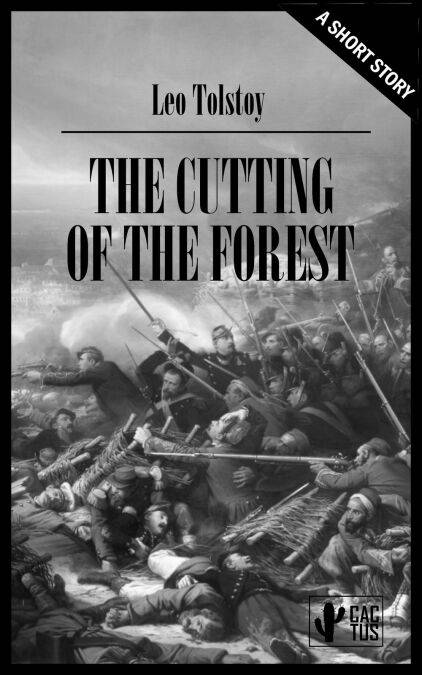
Omschrijving
Before War and Peace, there was the war itself.
In the frozen forests of the Caucasus, a young artillery officer waits for dawn. Tomorrow, his platoon will cut timber under the shadow of enemy rifles. Tonight, he watches his men—the meek, the reckless, the quietly brave—and wonders which of them will still be breathing by sunset.
Based on Tolstoy's own experience as a soldier in the Caucasian War, The Cutting of the Forest is not a story of glorious battles but of ordinary men facing an ordinary morning that may be their last. Here, in the bitter cold and the silent trees, the young writer first observed what he would spend a lifetime exploring: not how men die, but how they live in the face of death.
With his officer's eye and his novelist's soul, Tolstoy catalogues the soldiers by type—the submissive, the commanding, the desperate—then proceeds to show how every category fails when a bullet has your name on it.
No speeches. No heroics. Just men, an axe, and the forest waiting to swallow them both.
In the frozen forests of the Caucasus, a young artillery officer waits for dawn. Tomorrow, his platoon will cut timber under the shadow of enemy rifles. Tonight, he watches his men—the meek, the reckless, the quietly brave—and wonders which of them will still be breathing by sunset.
Based on Tolstoy's own experience as a soldier in the Caucasian War, The Cutting of the Forest is not a story of glorious battles but of ordinary men facing an ordinary morning that may be their last. Here, in the bitter cold and the silent trees, the young writer first observed what he would spend a lifetime exploring: not how men die, but how they live in the face of death.
With his officer's eye and his novelist's soul, Tolstoy catalogues the soldiers by type—the submissive, the commanding, the desperate—then proceeds to show how every category fails when a bullet has your name on it.
No speeches. No heroics. Just men, an axe, and the forest waiting to swallow them both.
Specificaties
Betrokkenen
- Auteur(s):
- Vertaler(s):
- Uitgeverij:
Inhoud
- Taal:
- Engels
Eigenschappen
- Productcode (EAN):
- 9791256796786
- Verschijningsdatum:
- 17/02/2026
- Uitvoering:
- E-book
- Beveiligd met:
- Digital watermarking
- Formaat:
- ePub


Alleen bij Standaard Boekhandel
+ 1 punten op je klantenkaart van Standaard Boekhandel
Cadeau

AANGERADEN


Beoordelingen
We publiceren alleen reviews die voldoen aan de voorwaarden voor reviews. Bekijk onze voorwaarden voor reviews.