



Je cadeautjes zeker op tijd in huis hebben voor de feestdagen? Kom langs in onze winkels en vind het perfecte geschenk!
- Afhalen na 1 uur in een winkel met voorraad
- Gratis thuislevering in België vanaf € 30
- Ruim aanbod met 7 miljoen producten
Je cadeautjes zeker op tijd in huis hebben voor de feestdagen? Kom langs in onze winkels en vind het perfecte geschenk!
- Afhalen na 1 uur in een winkel met voorraad
- Gratis thuislevering in België vanaf € 30
- Ruim aanbod met 7 miljoen producten





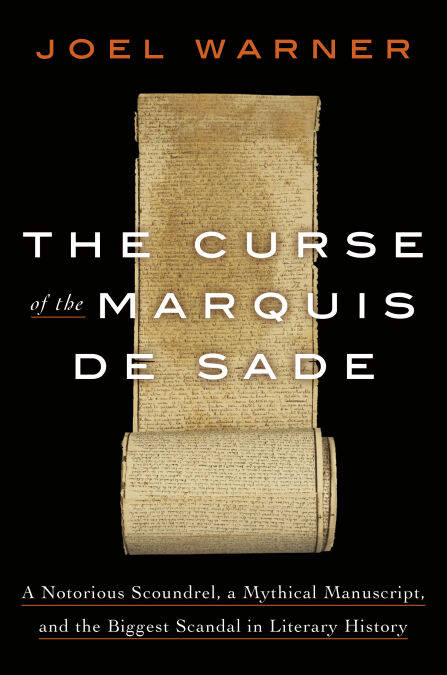
The Curse of the Marquis de Sade E-BOOK
A Notorious Scoundrel, a Mythical Manuscript, and the Biggest Scandal in Literary History
Joel Warner
E-book | Engels
€ 5,77
+ 5 punten
Uitvoering
Omschrijving
NEW YORK TIMES EDITORS’ CHOICE • The captivating, deeply reported true story of how one of the most notorious novels ever written—Marquis de Sade’s 120 Days of Sodom—landed at the heart of one of the biggest scams in modern literary history.
“Reading The Curse of the Marquis de Sade, with the Marquis, the sabotage of rare manuscript sales, and a massive Ponzi scheme at its center, felt like a twisty waterslide shooting through a sleazy and bizarre landscape. This book is wild.”—Adam McKay, Academy Award–winning filmmaker
Described as both “one of the most important novels ever written” and “the gospel of evil,” 120 Days of Sodom was written by the Marquis de Sade, a notorious eighteenth-century aristocrat who waged a campaign of mayhem and debauchery across France, evaded execution, and inspired the word “sadism,” which came to mean receiving pleasure from pain. Despite all his crimes, Sade considered this work to be his greatest transgression.
The original manuscript of 120 Days of Sodom, a tiny scroll penned in the bowels of the Bastille in Paris, would embark on a centuries-spanning odyssey across Europe, passing from nineteenth-century banned book collectors to pioneering sex researchers to avant-garde artists before being hidden away from Nazi book burnings. In 2014, the world heralded its return to France when the scroll was purchased for millions by Gérard Lhéritier, the self-made son of a plumber who had used his savvy business skills to upend France’s renowned rare-book market. But the sale opened the door to vendettas by the government, feuds among antiquarian booksellers, manuscript sales derailed by sabotage, a record-breaking lottery jackpot, and allegations of a decade-long billion-euro con, the specifics of which, if true, would make the scroll part of France’s largest-ever Ponzi scheme.
Told with gripping reporting and flush with deceit and scandal, The Curse of the Marquis de Sade weaves together the sweeping odyssey of 120 Days of Sodom and the spectacular rise and fall of Lhéritier, once the “king of manuscripts” and now known to many as the Bernie Madoff of France. At its center is an urgent question for all those who cherish the written word: As the age of handwriting comes to an end, what do we owe the original texts left behind?
“Reading The Curse of the Marquis de Sade, with the Marquis, the sabotage of rare manuscript sales, and a massive Ponzi scheme at its center, felt like a twisty waterslide shooting through a sleazy and bizarre landscape. This book is wild.”—Adam McKay, Academy Award–winning filmmaker
Described as both “one of the most important novels ever written” and “the gospel of evil,” 120 Days of Sodom was written by the Marquis de Sade, a notorious eighteenth-century aristocrat who waged a campaign of mayhem and debauchery across France, evaded execution, and inspired the word “sadism,” which came to mean receiving pleasure from pain. Despite all his crimes, Sade considered this work to be his greatest transgression.
The original manuscript of 120 Days of Sodom, a tiny scroll penned in the bowels of the Bastille in Paris, would embark on a centuries-spanning odyssey across Europe, passing from nineteenth-century banned book collectors to pioneering sex researchers to avant-garde artists before being hidden away from Nazi book burnings. In 2014, the world heralded its return to France when the scroll was purchased for millions by Gérard Lhéritier, the self-made son of a plumber who had used his savvy business skills to upend France’s renowned rare-book market. But the sale opened the door to vendettas by the government, feuds among antiquarian booksellers, manuscript sales derailed by sabotage, a record-breaking lottery jackpot, and allegations of a decade-long billion-euro con, the specifics of which, if true, would make the scroll part of France’s largest-ever Ponzi scheme.
Told with gripping reporting and flush with deceit and scandal, The Curse of the Marquis de Sade weaves together the sweeping odyssey of 120 Days of Sodom and the spectacular rise and fall of Lhéritier, once the “king of manuscripts” and now known to many as the Bernie Madoff of France. At its center is an urgent question for all those who cherish the written word: As the age of handwriting comes to an end, what do we owe the original texts left behind?
Specificaties
Betrokkenen
- Auteur(s):
- Uitgeverij:
Inhoud
- Aantal bladzijden:
- 304
- Taal:
- Engels
Eigenschappen
- Productcode (EAN):
- 9780593135693
- Verschijningsdatum:
- 20/02/2023
- Uitvoering:
- E-book
- Beveiligd met:
- Adobe DRM
- Formaat:
- ePub



Alleen bij Standaard Boekhandel
+ 5 punten op je klantenkaart van Standaard Boekhandel
CADEAU


Beoordelingen
We publiceren alleen reviews die voldoen aan de voorwaarden voor reviews. Bekijk onze voorwaarden voor reviews.