


- Afhalen na 1 uur in een winkel met voorraad
- Gratis thuislevering in België vanaf € 30
- Ruim aanbod met 7 miljoen producten
- Afhalen na 1 uur in een winkel met voorraad
- Gratis thuislevering in België vanaf € 30
- Ruim aanbod met 7 miljoen producten





Omschrijving
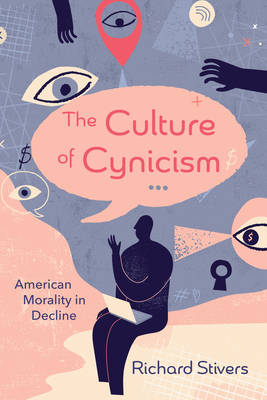
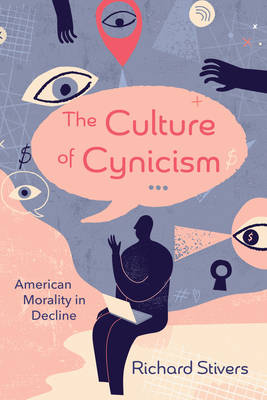
Richard Stivers received an Earhart Foundation research fellowship to write this wide-ranging and thought-provoking book on American morality. The book places American morality in its historical and cultural context. His research uncovered an ersatz morality that has supplanted traditional Judaic-Christian and humanistic moralities, which placed some limitations on the exercises of power. It consists of technical and bureaucratic rules, public opinion and peer group norms, and visual images in the media. Technical and bureaucratic rules are technology's power to organize society. Public opinion and peer group norms work to transform the normal into the moral, and visual images in the media make tangible what is normal and what is possible, both of which follow the lead of technology. This technological morality is exclusively about unleashing power and has no moral purposes: it is solely about efficiency and effectiveness. Finally, he discusses the social and psychological costs of living without a common morality.
Specificaties
Betrokkenen
- Auteur(s):
- Uitgeverij:
Inhoud
- Aantal bladzijden:
- 222
- Taal:
- Engels
Eigenschappen
- Productcode (EAN):
- 9781666776225
- Verschijningsdatum:
- 22/06/2023
- Uitvoering:
- Paperback
- Formaat:
- Trade paperback (VS)
- Afmetingen:
- 152 mm x 229 mm
- Gewicht:
- 308 g


Alleen bij Standaard Boekhandel
+ 83 punten op je klantenkaart van Standaard Boekhandel
Cadeau

AANGERADEN


Beoordelingen
We publiceren alleen reviews die voldoen aan de voorwaarden voor reviews. Bekijk onze voorwaarden voor reviews.