


- Afhalen na 1 uur in een winkel met voorraad
- Gratis thuislevering in België vanaf € 30
- Ruim aanbod met 7 miljoen producten
- Afhalen na 1 uur in een winkel met voorraad
- Gratis thuislevering in België vanaf € 30
- Ruim aanbod met 7 miljoen producten





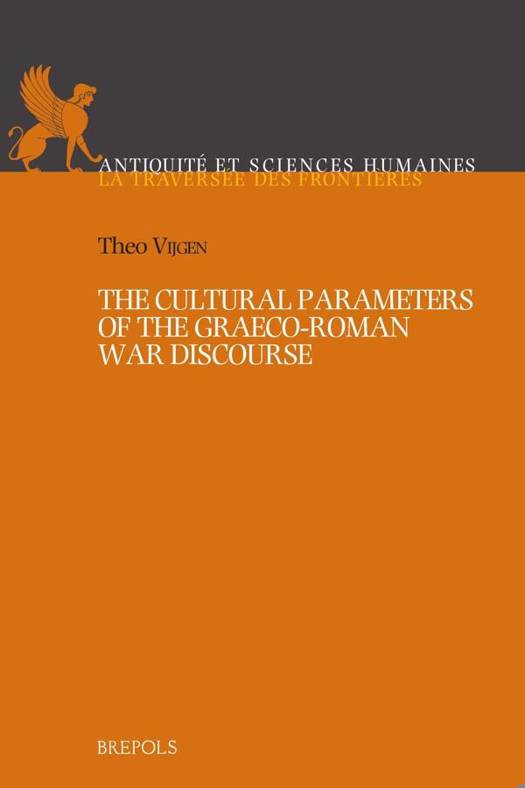
The Cultural Parameters of the Graeco-Roman War Discourse
Theo Vijgen
€ 127,20
+ 254 punten
Omschrijving
What were the ideas that the ancient Greeks and Romans held about warfare? What do contemporary sources tell us about this? Is it possible to trace a development in the way of thinking about war in antiquity? These are the questions that are discussed (and answered) in this study. It combines a close reading of all he sources that we have - mostly written, like literary and historiographjcal, but also non-written, like art, monuments and coinage. The analysis of the discourse is accompanied by and contrasted with arguments raised by today's specialists in the field of warfare and culture of ancient Greece and Rome. The study treats recurrent cultural themes like courage, fatherland, or victory within a chronological framework, for discourse features cannot be isolated from the context of their time. For each specific period - Greek, Hellenistic and the six parts of the long and diverse Roman time - conclusions are drawn. The remarkable developments in time that can be observed, especially in Rome, are brought together in the final chapter.
Specificaties
Betrokkenen
- Auteur(s):
- Uitgeverij:
Inhoud
- Aantal bladzijden:
- 724
- Taal:
- Engels
- Reeks:
- Reeksnummer:
- nr. 6
Eigenschappen
- Productcode (EAN):
- 9782503586472
- Verschijningsdatum:
- 18/06/2020
- Uitvoering:
- Paperback
- Formaat:
- Trade paperback (VS)
- Afmetingen:
- 155 mm x 234 mm
- Gewicht:
- 1179 g


Alleen bij Standaard Boekhandel
+ 254 punten op je klantenkaart van Standaard Boekhandel
CADEAU

AANGERADEN


Beoordelingen
We publiceren alleen reviews die voldoen aan de voorwaarden voor reviews. Bekijk onze voorwaarden voor reviews.