


- Afhalen na 1 uur in een winkel met voorraad
- Gratis thuislevering in België vanaf € 30
- Ruim aanbod met 7 miljoen producten
- Afhalen na 1 uur in een winkel met voorraad
- Gratis thuislevering in België vanaf € 30
- Ruim aanbod met 7 miljoen producten




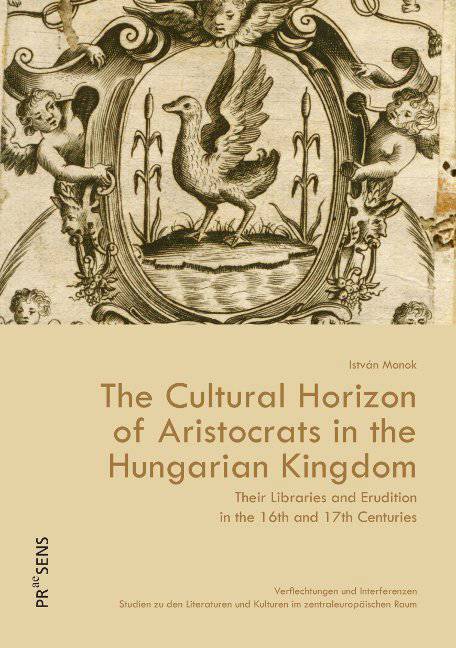
The Cultural Horizon of Aristocrats in the Hungarian Kingdom
Their Libraries and Erudition in the 16th and 17th Centuries
István Monok
€ 31,95
+ 63 punten
Omschrijving
"Inter arma silent musae" - Muses are silent in war, meaning the continuous wars of the 16-17th centuries did not favour education, the blooming of culture - is it really the case? The book, searching for possible answers, examines the literacy of the country's decision-makers, and gives the answer, highlighting that members of the aristocratic families - the Istvánffys, the Zrínyis, the Bánffys, the Nádasdys, the Esterházys and others - have acquired similar education to contemporary European nobility. Being literate helped them take responsibility for the support of churches operating on their holdings, establish schools, printing houses, libraries, and offer examples of civilized life, cultural tastes and entertainment in their courtyards. They made decisions with history and politics in mind, encouraging the reunification of the country (the Hungarian Kingdom), looking for a potential ally. Because even back then they couldn't do it alone.
Specificaties
Betrokkenen
- Auteur(s):
- Uitgeverij:
Inhoud
- Taal:
- Engels
- Reeks:
- Reeksnummer:
- nr. 3
Eigenschappen
- Productcode (EAN):
- 9783706910248
- Uitvoering:
- Paperback
- Afmetingen:
- 149 mm x 211 mm
- Gewicht:
- 558 g


Alleen bij Standaard Boekhandel
+ 63 punten op je klantenkaart van Standaard Boekhandel
Cadeau

AANGERADEN


Beoordelingen
We publiceren alleen reviews die voldoen aan de voorwaarden voor reviews. Bekijk onze voorwaarden voor reviews.