


- Afhalen na 1 uur in een winkel met voorraad
- Gratis thuislevering in België vanaf € 30
- Ruim aanbod met 7 miljoen producten
- Afhalen na 1 uur in een winkel met voorraad
- Gratis thuislevering in België vanaf € 30
- Ruim aanbod met 7 miljoen producten





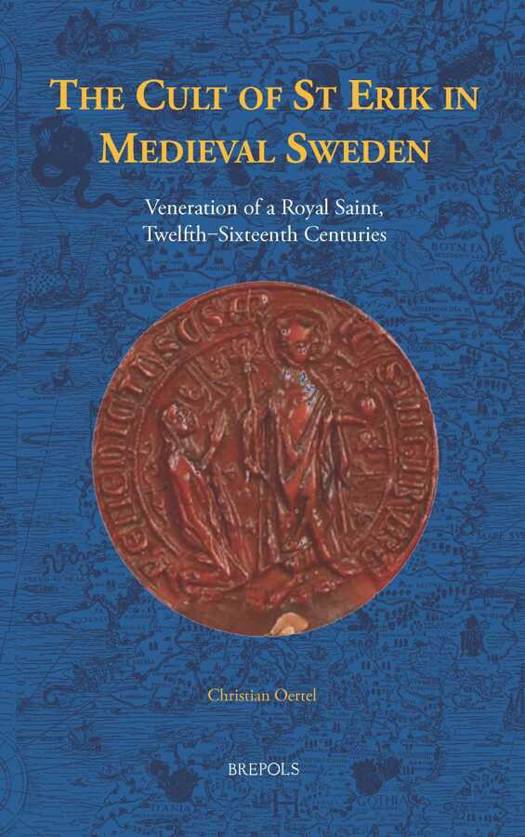
The Cult of St Erik in Medieval Sweden
Veneration of a Royal Saint, Twelfth-Sixteenth Centuries
Christian Oertel
€ 127,20
+ 254 punten
Omschrijving
In this first comprehensive monograph on St Erik, the author follows the cult of the Swedish royal saint from its obscure beginnings in the twelfth century up to its climax in the time of the Kalmar Union (1397‒1523). The focus of the book lies on the interaction of the cult with different groups within medieval Swedish society and these groups' attempts to utilize the prestige of the saint to further their political aims. From the middle of the thirteenth century, the cult was particularly connected to the archbishopric of Uppsala and the royal dynasty of Bjalbo. During the fifteenth century the Swedish royal saint symbolized (together with St Olaf of Norway and St Knut of Denmark) the three kingdoms of the Kalmar Union. At the same time, his prestige was successfully employed in the propaganda of King Karl Knutsson (Bonde) and the three Sture-riksförestandare to legitimate their anti-Union politics. In order to gain a broader perspective, the author uses a wide variety of sources. These include a number of texts which contain information about the cult of the saint (legend, miracle collection, offices, sermons, chronicles, charters). In addition, different sorts of depictions showing St Erik on wall paintings, altarpieces, seals, and coins are used in order to give a comprehensive account of the multifaceted veneration of this saint.
Specificaties
Betrokkenen
- Auteur(s):
- Uitgeverij:
Inhoud
- Aantal bladzijden:
- 398
- Taal:
- Engels
- Reeks:
- Reeksnummer:
- nr. 5
Eigenschappen
- Productcode (EAN):
- 9782503555072
- Verschijningsdatum:
- 4/10/2016
- Uitvoering:
- Hardcover
- Formaat:
- Genaaid
- Afmetingen:
- 165 mm x 239 mm
- Gewicht:
- 816 g


Alleen bij Standaard Boekhandel
+ 254 punten op je klantenkaart van Standaard Boekhandel
Cadeau

AANGERADEN


Beoordelingen
We publiceren alleen reviews die voldoen aan de voorwaarden voor reviews. Bekijk onze voorwaarden voor reviews.