


- Afhalen na 1 uur in een winkel met voorraad
- Gratis thuislevering in België vanaf € 30
- Ruim aanbod met 7 miljoen producten
- Afhalen na 1 uur in een winkel met voorraad
- Gratis thuislevering in België vanaf € 30
- Ruim aanbod met 7 miljoen producten





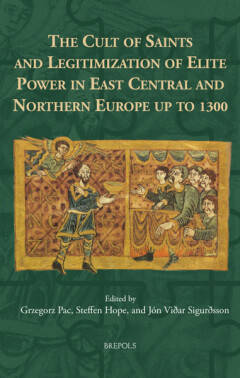
The Cult of Saints and Legitimization of Elite Power in East Central and Northern Europe Up to 1300
Grzegorz Pac
€ 106,00
+ 212 punten
Omschrijving
While Northern and East Central Europe are often considered to have been peripheral parts of medieval Latin Christendom, they nevertheless embraced many of the same cultural impulses found in more central areas. Key among these was the way in which social elites, in the first centuries after the introduction of Christianity, recognized the potential to exploit the cult of saints as a way of legitimizing their own social standing. Taking this thematic focus as its starting point, this volume explores the intersection of religion, power, and the reception and development of new impulses from abroad within Northern and East Central Europe. It does so by comparing and contrasting cults that emerged locally with cults that were imported to the region. Through this comparative overview, the chapters of this volume not only contribute to a more nuanced understanding of these outlying regions, but also shed new light on Latin Christian Europe as a whole.
Specificaties
Betrokkenen
- Auteur(s):
- Uitgeverij:
Inhoud
- Aantal bladzijden:
- 472
- Taal:
- Engels
- Reeks:
- Reeksnummer:
- nr. 2
Eigenschappen
- Productcode (EAN):
- 9782503611082
- Verschijningsdatum:
- 6/06/2024
- Uitvoering:
- Hardcover
- Formaat:
- Genaaid
- Gewicht:
- 1147 g


Alleen bij Standaard Boekhandel
+ 212 punten op je klantenkaart van Standaard Boekhandel
Cadeau

AANGERADEN


Beoordelingen
We publiceren alleen reviews die voldoen aan de voorwaarden voor reviews. Bekijk onze voorwaarden voor reviews.