


- Afhalen na 1 uur in een winkel met voorraad
- Gratis thuislevering in België vanaf € 30
- Ruim aanbod met 7 miljoen producten
- Afhalen na 1 uur in een winkel met voorraad
- Gratis thuislevering in België vanaf € 30
- Ruim aanbod met 7 miljoen producten





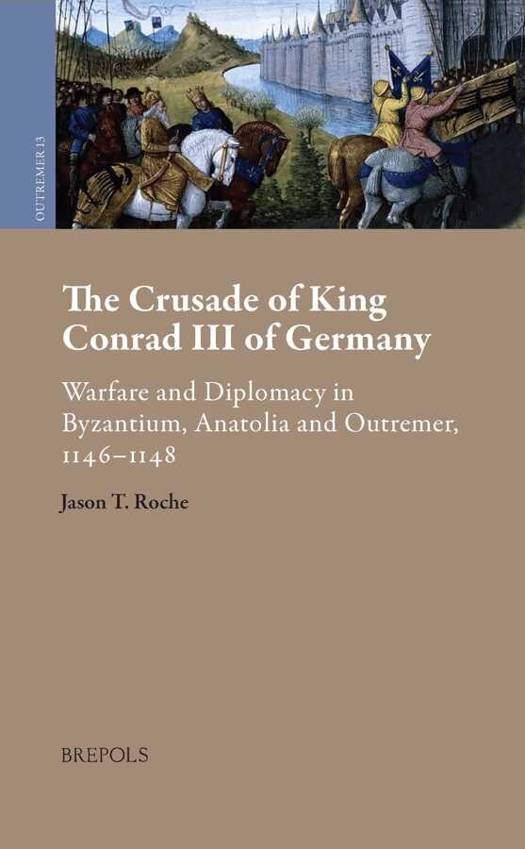
The Crusade of King Conrad III of Germany
Warfare and Diplomacy in Byzantium, Anatolia and Outremer, 1146-1149
Jason T Roche
€ 99,64
+ 199 punten
Omschrijving
This book represents the first work of history dedicated to the crusade of King Conrad III of Germany (1146-49), emperor-elect of the western Roman Empire and the most powerful man yet to assume the Cross. Even so, many of the people following the king on the Second Crusade were dead before they reached Constantinople and their ranks were devastated in Anatolia. Yet he went on to join with his fellow kings, Louis VII of France and Baldwin III of Jerusalem, in an attempt to capture the city of Damascus, the most powerful Muslim stronghold in southern Syria. Their unsuccessful attack lasted just five days. The recriminations for the many privations and problems the Germans suffered and encountered in Byzantium, Anatolia and Outremer were long and loud and have echoed down the ages: German indiscipline and poor leadership, Byzantine deceit and duplicity, and the self-serving interests of a Latin Jerusalemite nobility were and still are blamed for the various failings of the expedition. Scrutinising the original source evidence to an unprecedented degree and employing a range of innovative, multi-disciplinary approaches this work challenges the traditional and more recent historiography at every turn leading to a significantly clearer and fundamentally different understanding of the expedition's complex and much maligned history.
Specificaties
Betrokkenen
- Auteur(s):
- Uitgeverij:
Inhoud
- Aantal bladzijden:
- 365
- Taal:
- Engels
- Reeks:
- Reeksnummer:
- nr. 13
Eigenschappen
- Productcode (EAN):
- 9782503530383
- Verschijningsdatum:
- 11/02/2021
- Uitvoering:
- Hardcover
- Formaat:
- Genaaid
- Afmetingen:
- 163 mm x 239 mm
- Gewicht:
- 748 g



Alleen bij Standaard Boekhandel
+ 199 punten op je klantenkaart van Standaard Boekhandel
Cadeau

AANGERADEN


Beoordelingen
We publiceren alleen reviews die voldoen aan de voorwaarden voor reviews. Bekijk onze voorwaarden voor reviews.