


- Afhalen na 1 uur in een winkel met voorraad
- Gratis thuislevering in België vanaf € 30
- Ruim aanbod met 7 miljoen producten
- Afhalen na 1 uur in een winkel met voorraad
- Gratis thuislevering in België vanaf € 30
- Ruim aanbod met 7 miljoen producten





€ 84,80
+ 169 punten
Omschrijving
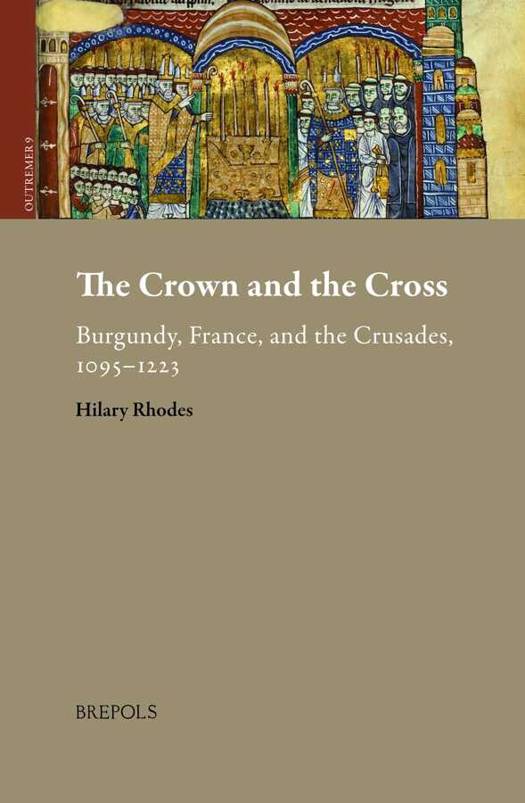
The Crown and the Cross examines the heretofore-unstudied role of the French province of Burgundy in the 'traditional' era of the crusades, from 1095-c.1220. Covering the First, Second, Third, Fourth, and Albigensian Crusades in detail, it focuses primarily on the Capetian dukes, a cadet branch of the French royal family, but uncovers substantial lay participation and some crusading traditions among Burgundian noble families as well. The book additionally uses the crusading institution to explore the development of the medieval French monarchy, and makes accessible a corpus of scholarship and documents that until now have mostly existed in French or Latin. It concludes that while piety and religion did play a central role in the experience of many everyday Burgundian crusaders, the greater political ramifications of the crusading project functioned in subtle and long-lasting ways, and had consequences for the entire institution, not just Burgundy or France. Of interest to scholars of the crusades, French history, and the formation of medieval Europe, The Crown and the Cross nuances, challenges, and expands our understanding of the intellectual genealogy of the crusades and their real-world consequences, fills a critical gap in the historiography, and poses a set of important conclusions and questions for continued study.
Specificaties
Betrokkenen
- Auteur(s):
- Uitgeverij:
Inhoud
- Aantal bladzijden:
- 263
- Taal:
- Engels
- Reeks:
- Reeksnummer:
- nr. 9
Eigenschappen
- Productcode (EAN):
- 9782503586847
- Verschijningsdatum:
- 25/06/2020
- Uitvoering:
- Hardcover
- Formaat:
- Genaaid
- Afmetingen:
- 163 mm x 239 mm
- Gewicht:
- 589 g


Alleen bij Standaard Boekhandel
+ 169 punten op je klantenkaart van Standaard Boekhandel
Cadeau

AANGERADEN


Beoordelingen
We publiceren alleen reviews die voldoen aan de voorwaarden voor reviews. Bekijk onze voorwaarden voor reviews.