


- Afhalen na 1 uur in een winkel met voorraad
- Gratis thuislevering in België vanaf € 30
- Ruim aanbod met 7 miljoen producten
- Afhalen na 1 uur in een winkel met voorraad
- Gratis thuislevering in België vanaf € 30
- Ruim aanbod met 7 miljoen producten




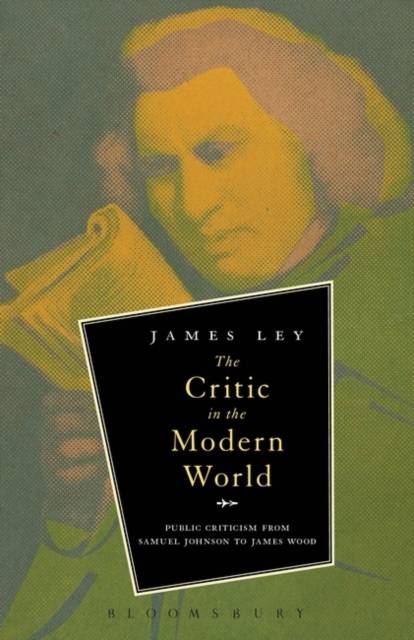
The Critic in the Modern World
Public Criticism from Samuel Johnson to James Wood
James Ley
Hardcover | Engels
€ 339,45
+ 678 punten
Uitvoering
Eenvoudig bestellen
Veilig betalen


Gratis thuislevering vanaf € 30 (via bpost)
Gratis levering in je Standaard Boekhandel
Omschrijving
The Critic in the Modern World explores the work of six influential literary critics--Samuel Johnson, William Hazlitt, Matthew Arnold, T.S. Eliot, Lionel Trilling and James Wood--each of whom occupies a distinct historical moment. It considers how these representative critics have constructed their public personae, the kinds of arguments they have used, and their core principles and philosophies.
Spanning three hundred years of cultural history, The Critic in the Modern World considers the various ways in which literary critics have positioned themselves in relation to the modern tradition of descriptive criticism. In providing a lucid account of each critic's central principles and philosophies, it considers the role of the literary critic as a public figure, interpreting him as someone who is compelled to address the wider issues of individualism and the social implications of the democratising, secularising, liberalising forces of modernity.Specificaties
Betrokkenen
- Auteur(s):
- Uitgeverij:
Inhoud
- Aantal bladzijden:
- 248
- Taal:
- Engels
Eigenschappen
- Productcode (EAN):
- 9781623563738
- Verschijningsdatum:
- 8/05/2014
- Uitvoering:
- Hardcover
- Formaat:
- Genaaid
- Afmetingen:
- 140 mm x 218 mm
- Gewicht:
- 430 g


Alleen bij Standaard Boekhandel
+ 678 punten op je klantenkaart van Standaard Boekhandel
CADEAU

AANGERADEN


Beoordelingen
We publiceren alleen reviews die voldoen aan de voorwaarden voor reviews. Bekijk onze voorwaarden voor reviews.