


- Afhalen na 1 uur in een winkel met voorraad
- Gratis thuislevering in België vanaf € 30
- Ruim aanbod met 7 miljoen producten
- Afhalen na 1 uur in een winkel met voorraad
- Gratis thuislevering in België vanaf € 30
- Ruim aanbod met 7 miljoen producten





€ 0,49
Omschrijving
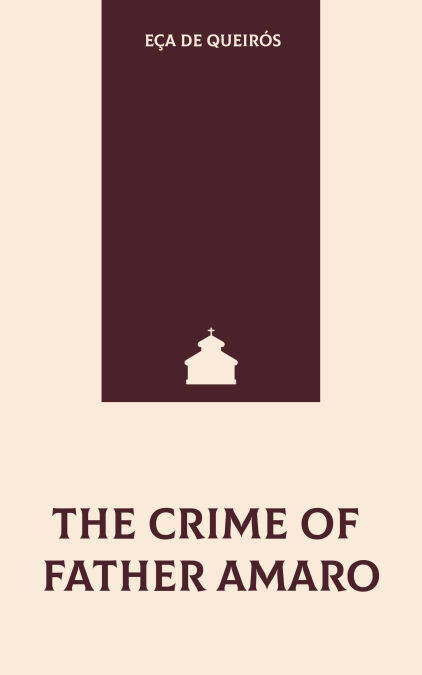
The Crime of Father Amaro is a bold and uncompromising novel by Eça de Queirós, widely regarded as one of the masterpieces of Portuguese realism. In this powerful work, Queirós delivers a penetrating critique of religious hypocrisy, moral corruption, and the oppressive social structures of 19th-century provincial life.
The story follows Amaro Vieira, a young priest whose vocation is shaped less by spiritual calling than by circumstance and ambition. Assigned to a quiet town in Portugal, Father Amaro soon becomes entangled in a web of desire and secrecy. His relationship with the devout and impressionable Amélia begins innocently enough but gradually evolves into a forbidden and destructive affair. As passion overtakes piety, the consequences ripple through their lives and the tightly knit community around them.
Queirós masterfully exposes the tension between public virtue and private vice. Through vivid characterization and meticulous detail, he portrays a society governed by appearances, where religious authority shields moral weakness and institutional power suppresses truth. The clergy, rather than serving as moral exemplars, are shown as deeply flawed individuals influenced by ambition, jealousy, and desire.
At the heart of the novel lies a tragic examination of innocence exploited and faith manipulated. Amélia's vulnerability and Amaro's inner conflict reveal the human cost of repression and hypocrisy. The narrative does not merely condemn individuals; it questions the systems that enable wrongdoing to flourish unchecked.
Rich in psychological insight and social commentary, The Crime of Father Amaro is both a compelling narrative and a fearless exploration of power, morality, and consequence. Queirós' sharp realism and unflinching honesty challenged the conventions of his time and secured his place as a leading voice in European literature.
Provocative, tragic, and enduringly relevant, The Crime of Father Amaro remains a landmark novel that confronts the complexities of faith, authority, and human frailty with remarkable depth and courage.
The story follows Amaro Vieira, a young priest whose vocation is shaped less by spiritual calling than by circumstance and ambition. Assigned to a quiet town in Portugal, Father Amaro soon becomes entangled in a web of desire and secrecy. His relationship with the devout and impressionable Amélia begins innocently enough but gradually evolves into a forbidden and destructive affair. As passion overtakes piety, the consequences ripple through their lives and the tightly knit community around them.
Queirós masterfully exposes the tension between public virtue and private vice. Through vivid characterization and meticulous detail, he portrays a society governed by appearances, where religious authority shields moral weakness and institutional power suppresses truth. The clergy, rather than serving as moral exemplars, are shown as deeply flawed individuals influenced by ambition, jealousy, and desire.
At the heart of the novel lies a tragic examination of innocence exploited and faith manipulated. Amélia's vulnerability and Amaro's inner conflict reveal the human cost of repression and hypocrisy. The narrative does not merely condemn individuals; it questions the systems that enable wrongdoing to flourish unchecked.
Rich in psychological insight and social commentary, The Crime of Father Amaro is both a compelling narrative and a fearless exploration of power, morality, and consequence. Queirós' sharp realism and unflinching honesty challenged the conventions of his time and secured his place as a leading voice in European literature.
Provocative, tragic, and enduringly relevant, The Crime of Father Amaro remains a landmark novel that confronts the complexities of faith, authority, and human frailty with remarkable depth and courage.
Specificaties
Betrokkenen
- Auteur(s):
- Uitgeverij:
Inhoud
- Aantal bladzijden:
- 534
- Taal:
- Engels
Eigenschappen
- Productcode (EAN):
- 9785568626046
- Verschijningsdatum:
- 1/03/2026
- Uitvoering:
- E-book
- Beveiligd met:
- Digital watermarking
- Formaat:
- ePub


Alleen bij Standaard Boekhandel
Cadeau

AANGERADEN


Beoordelingen
We publiceren alleen reviews die voldoen aan de voorwaarden voor reviews. Bekijk onze voorwaarden voor reviews.