


- Afhalen na 1 uur in een winkel met voorraad
- Gratis thuislevering in België vanaf € 30
- Ruim aanbod met 7 miljoen producten
- Afhalen na 1 uur in een winkel met voorraad
- Gratis thuislevering in België vanaf € 30
- Ruim aanbod met 7 miljoen producten





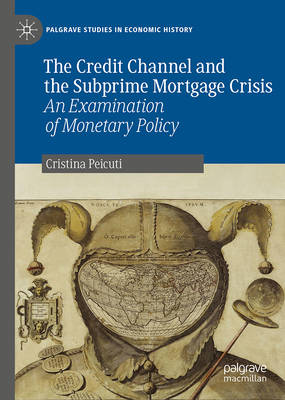
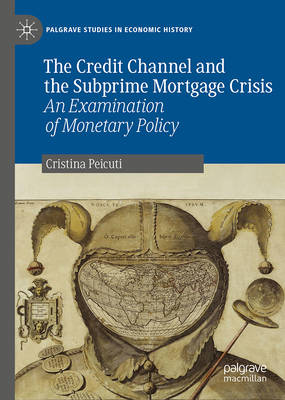
The Credit Channel and the Subprime Mortgage Crisis
An Examination of Monetary Policy
Cristina Peicuti
€ 129,95
+ 259 punten
Omschrijving
This book explores the evolving role of the credit channel in contemporary macroeconomic policy and financial stability. In ten analytical chapters, Cristina Peicuti examines the dual function of the credit channel--as both a conduit for monetary policy transmission and a macroeconomic stabilizer--within the broader context of capitalist economies. Grounded in both theoretical inquiry and empirical investigation, the volume first establishes the conceptual foundations of the credit channel, drawing on influential contributions from leading economists. Peicuti systematically demonstrates the channel's critical role in amplifying or mitigating the effects of monetary interventions, thereby shaping macroeconomic outcomes. A central focus of the book is the empirical analysis of the credit channel's performance during the European subprime crisis. Pairing case studies with policy evaluations, Peicuti assesses the measures adopted by EU Member States to preserve credit flows and support economic recovery. This analysis not only underscores the operational significance of the credit channel during periods of financial distress but also highlights its potential as a strategic policy instrument. The concluding chapters advocate for a structural rethinking of capitalism's financial architecture, emphasizing the need for central banks to integrate the credit channel more explicitly into their policy frameworks. By doing so, the book argues that monetary authorities can foster conditions conducive to sustainable growth, price stability, and crisis prevention. The resulting book contextualizes modern economic governance and highlights the transformative potential of the credit channel.
Specificaties
Betrokkenen
- Auteur(s):
- Uitgeverij:
Inhoud
- Aantal bladzijden:
- 241
- Taal:
- Engels
- Reeks:
Eigenschappen
- Productcode (EAN):
- 9783032185358
- Verschijningsdatum:
- 1/08/2026
- Uitvoering:
- Hardcover
- Formaat:
- Genaaid
- Afmetingen:
- 148 mm x 210 mm


Alleen bij Standaard Boekhandel
+ 259 punten op je klantenkaart van Standaard Boekhandel
Cadeau

AANGERADEN


Beoordelingen
We publiceren alleen reviews die voldoen aan de voorwaarden voor reviews. Bekijk onze voorwaarden voor reviews.