


- Afhalen na 1 uur in een winkel met voorraad
- Gratis thuislevering in België vanaf € 30
- Ruim aanbod met 7 miljoen producten
- Afhalen na 1 uur in een winkel met voorraad
- Gratis thuislevering in België vanaf € 30
- Ruim aanbod met 7 miljoen producten





€ 47,45
+ 94 punten
Omschrijving
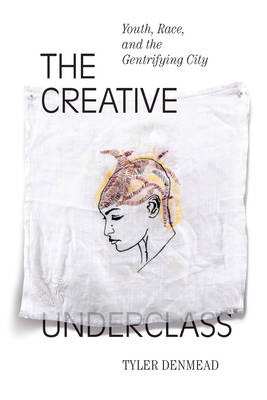
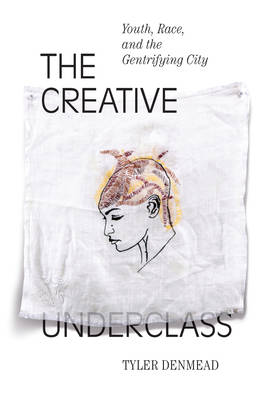
As an undergraduate at Brown University, Tyler Denmead founded New Urban Arts, a nationally recognized arts and humanities program primarily for young people of color in Providence, Rhode Island. Along with its positive impact, New Urban Arts, under his leadership, became entangled in Providence's urban renewal efforts that harmed the very youth it served. As in many deindustrialized cities, Providence's leaders viewed arts, culture, and creativity as a means to drive property development and attract young, educated, and affluent white people, such as Denmead, to economically and culturally kick-start the city. In The Creative Underclass, Denmead critically examines how New Urban Arts and similar organizations can become enmeshed in circumstances where young people, including himself, become visible once the city can leverage their creativity to benefit economic revitalization and gentrification. He points to the creative cultural practices that young people of color from low-income communities use to resist their subjectification as members of an underclass, which, along with redistributive economic policies, can be deployed as an effective means with which to both oppose gentrification and better serve the youth who have become emblematic of urban creativity.
Specificaties
Betrokkenen
- Auteur(s):
- Uitgeverij:
Inhoud
- Aantal bladzijden:
- 216
- Taal:
- Engels
Eigenschappen
- Productcode (EAN):
- 9781478006596
- Verschijningsdatum:
- 8/11/2019
- Uitvoering:
- Paperback
- Formaat:
- Trade paperback (VS)
- Afmetingen:
- 150 mm x 229 mm
- Gewicht:
- 317 g


Alleen bij Standaard Boekhandel
+ 94 punten op je klantenkaart van Standaard Boekhandel
Cadeau

AANGERADEN


Beoordelingen
We publiceren alleen reviews die voldoen aan de voorwaarden voor reviews. Bekijk onze voorwaarden voor reviews.