


- Afhalen na 1 uur in een winkel met voorraad
- Gratis thuislevering in België vanaf € 30
- Ruim aanbod met 7 miljoen producten
- Afhalen na 1 uur in een winkel met voorraad
- Gratis thuislevering in België vanaf € 30
- Ruim aanbod met 7 miljoen producten





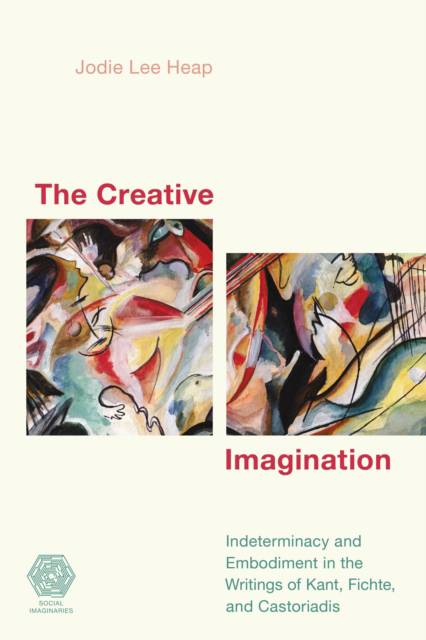
The Creative Imagination
Indeterminacy and Embodiment in the Writings of Kant, Fichte, and Castoriadis
Jodie Lee Heap
€ 220,45
+ 440 punten
Omschrijving
By engaging with the notions of indeterminacy and embodiment within the writings of Immanuel Kant, Johann Fichte and Cornelius Castoriadis, this book addresses and brings to the fore the significance of the creative imagination as an ontological source of human creation. Principally inspired by Castoriadis' revolutionary elucidation of the imagination and the imaginary, this book actively contributes to this neglected line of enquiry by exposing deep lines of continuity and rupture both within and between the writings of Kant, Fichte, and Castoriadis. Beginning with Kant's hesitation in describing the productive imagination as a creative and embodied power of the soul, this book traces these lines of continuity and rupture through Fichte's innovative depiction of the creative imagination as an ontological power of creation and through Castoriadis' radical extension of this idea into the social-historical realm. Given the notions of indeterminacy and embodiment actively inform these lines of continuity and of rupture, this book contributes to the landscape of thinking by proposing the creative imagination must be envisaged an embodied power of the human soul.
Specificaties
Betrokkenen
- Auteur(s):
- Uitgeverij:
Inhoud
- Aantal bladzijden:
- 278
- Taal:
- Engels
- Reeks:
Eigenschappen
- Productcode (EAN):
- 9781538144268
- Verschijningsdatum:
- 17/06/2021
- Uitvoering:
- Hardcover
- Formaat:
- Genaaid
- Afmetingen:
- 152 mm x 229 mm
- Gewicht:
- 576 g



Alleen bij Standaard Boekhandel
+ 440 punten op je klantenkaart van Standaard Boekhandel
Cadeau

AANGERADEN


Beoordelingen
We publiceren alleen reviews die voldoen aan de voorwaarden voor reviews. Bekijk onze voorwaarden voor reviews.