


- Afhalen na 1 uur in een winkel met voorraad
- Gratis thuislevering in België vanaf € 30
- Ruim aanbod met 7 miljoen producten
- Afhalen na 1 uur in een winkel met voorraad
- Gratis thuislevering in België vanaf € 30
- Ruim aanbod met 7 miljoen producten





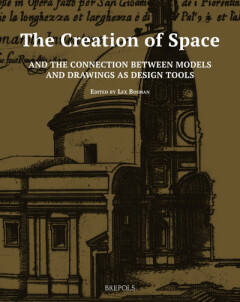
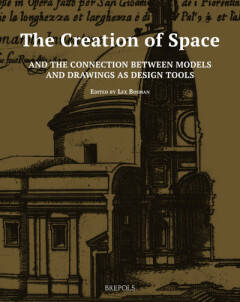
The Creation of Space and the Connection Between Models and Drawings as Design Tools
A.F.W. (Lex) Bosman
€ 100,70
+ 201 punten
Omschrijving
The essays in this volume address the problem of three dimensions in architecture and the ways architects in the 16th century (and before and after) solved this problem during the design process. Two-dimensional drawings were used as the most helpful element in the design process, as well as for the presentation of designs. Those involved, not only patrons but also construction workers, should be able to understand what a two-dimensional design would turn out to result in three dimensions. Both drawings in two dimensions and three-dimensional models are well-known tools to architects, but the way in which they employed them together is not always clear. Sometimes architects limited themselves to the making of models only when they believed that these would suffice to communicate the design to others. In other instances, drawings and models were used jointly. Topics of study in this volume include examples of these practices in the work of the Sangallo, Raphael, Vasari, and others.
Specificaties
Betrokkenen
- Auteur(s):
- Uitgeverij:
Inhoud
- Aantal bladzijden:
- 220
- Taal:
- Engels
- Reeks:
- Reeksnummer:
- nr. 9
Eigenschappen
- Productcode (EAN):
- 9782503606200
- Verschijningsdatum:
- 16/11/2023
- Uitvoering:
- Paperback
- Formaat:
- Trade paperback (VS)
- Gewicht:
- 362 g


Alleen bij Standaard Boekhandel
+ 201 punten op je klantenkaart van Standaard Boekhandel
Cadeau

AANGERADEN


Beoordelingen
We publiceren alleen reviews die voldoen aan de voorwaarden voor reviews. Bekijk onze voorwaarden voor reviews.