


- Afhalen na 1 uur in een winkel met voorraad
- Gratis thuislevering in België vanaf € 30
- Ruim aanbod met 7 miljoen producten
- Afhalen na 1 uur in een winkel met voorraad
- Gratis thuislevering in België vanaf € 30
- Ruim aanbod met 7 miljoen producten




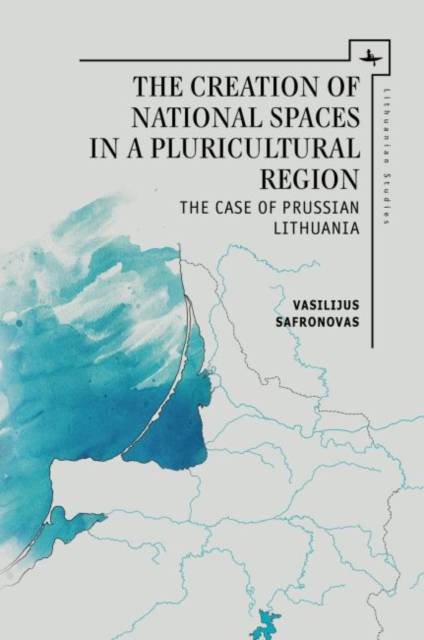
The Creation of National Spaces in a Pluricultural Region
The Case of Prussian Lithuania
Vasilijus Safronovas
€ 191,95
+ 383 punten
Omschrijving
This book is essential reading on the spatial concepts that two erstwhile neighboring cultures, Lithuanian and German, once associated with one physical space--a Lithuanian region in Prussia. Covering a period of five centuries, the author explores how, when, and, most importantly, why these concepts have been developed and transformed, regulating the spatial imagination of several generations. The study focuses on the nineteenth and twentieth centuries, presenting the narratives, representations, and geographic conceptions of the region that existed in these two national cultures. The volume shows how knowledge about "their own" space ended up serving as a tool for both Lithuanian and German political aspirations and how it challenged the spatial concepts about this area in the previous century.
Specificaties
Betrokkenen
- Auteur(s):
- Uitgeverij:
Inhoud
- Aantal bladzijden:
- 470
- Taal:
- Engels
- Reeks:
Eigenschappen
- Productcode (EAN):
- 9781618115249
- Verschijningsdatum:
- 31/12/2016
- Uitvoering:
- Hardcover
- Formaat:
- Genaaid
- Afmetingen:
- 156 mm x 234 mm
- Gewicht:
- 820 g


Alleen bij Standaard Boekhandel
+ 383 punten op je klantenkaart van Standaard Boekhandel
Wedstrijd


Beoordelingen
We publiceren alleen reviews die voldoen aan de voorwaarden voor reviews. Bekijk onze voorwaarden voor reviews.