

- Afhalen na 1 uur in een winkel met voorraad
- Gratis thuislevering in België vanaf € 30
- Ruim aanbod met 7 miljoen producten
- Afhalen na 1 uur in een winkel met voorraad
- Gratis thuislevering in België vanaf € 30
- Ruim aanbod met 7 miljoen producten





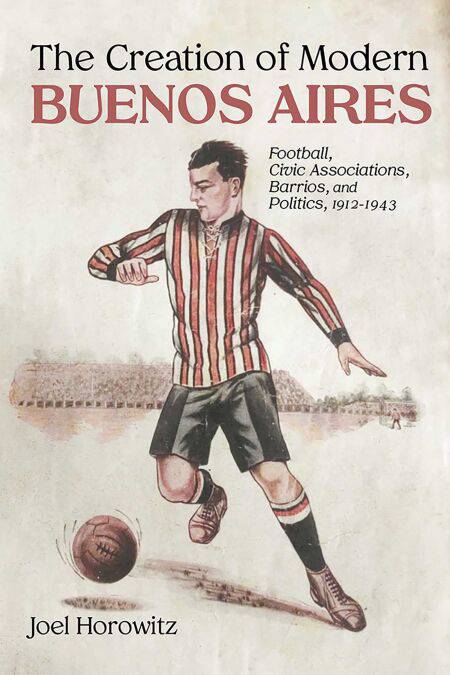
The Creation of Modern Buenos Aires E-BOOK
Football, Civic Associations, Barrios, and Politics, 1912–1943
Joel Horowitz
E-book | Engels
€ 24,59
+ 24 punten
Omschrijving
Horowitz’s acclaimed study examines the role of civic associations in the creation of Buenos Aires’ social world in the early twentieth century, especially the part they played in the development of the sense of barrio.
The Creation of Modern Buenos Aires examines the impact of civic associations on the culture and the society of Buenos Aires and their ties to politics in the first decades of the twentieth century. The period saw the emergence of the modern political system with true appeals to the voters, tremendous urban growth, and the solidification of a barrio identity.
Historian Joel Horowitz examines four types of organizations: football clubs, bibliotecas populares (popular libraries), sociedades de fomento (development societies that pushed for barrio improvements), and universidades populares (popular universities that provided practical training beyond the primary school level). All four types became important social centers and were connected to the political world. The book focuses on the period from the passage of a voting reform law in 1912, which made male-citizen voting obligatory and fraud more difficult, to the military coup of 1943.
The book shows how civic associations helped create the social world of the city, focusing especially on the part they played in the development of the sense of barrio. It demonstrates how civic associations became vital links in the system of politics that emerged, creating spaces for politicians to build connections to different communities.
The Creation of Modern Buenos Aires examines the impact of civic associations on the culture and the society of Buenos Aires and their ties to politics in the first decades of the twentieth century. The period saw the emergence of the modern political system with true appeals to the voters, tremendous urban growth, and the solidification of a barrio identity.
Historian Joel Horowitz examines four types of organizations: football clubs, bibliotecas populares (popular libraries), sociedades de fomento (development societies that pushed for barrio improvements), and universidades populares (popular universities that provided practical training beyond the primary school level). All four types became important social centers and were connected to the political world. The book focuses on the period from the passage of a voting reform law in 1912, which made male-citizen voting obligatory and fraud more difficult, to the military coup of 1943.
The book shows how civic associations helped create the social world of the city, focusing especially on the part they played in the development of the sense of barrio. It demonstrates how civic associations became vital links in the system of politics that emerged, creating spaces for politicians to build connections to different communities.
Specificaties
Betrokkenen
- Auteur(s):
- Uitgeverij:
Inhoud
- Aantal bladzijden:
- 216
- Taal:
- Engels
Eigenschappen
- Productcode (EAN):
- 9780826368881
- Verschijningsdatum:
- 10/11/2025
- Uitvoering:
- E-book
- Beveiligd met:
- Adobe DRM
- Formaat:
- ePub


Alleen bij Standaard Boekhandel
+ 24 punten op je klantenkaart van Standaard Boekhandel

Beoordelingen
We publiceren alleen reviews die voldoen aan de voorwaarden voor reviews. Bekijk onze voorwaarden voor reviews.