


- Afhalen na 1 uur in een winkel met voorraad
- Gratis thuislevering in België vanaf € 30
- Ruim aanbod met 7 miljoen producten
- Afhalen na 1 uur in een winkel met voorraad
- Gratis thuislevering in België vanaf € 30
- Ruim aanbod met 7 miljoen producten




€ 64,45
+ 128 punten
Omschrijving
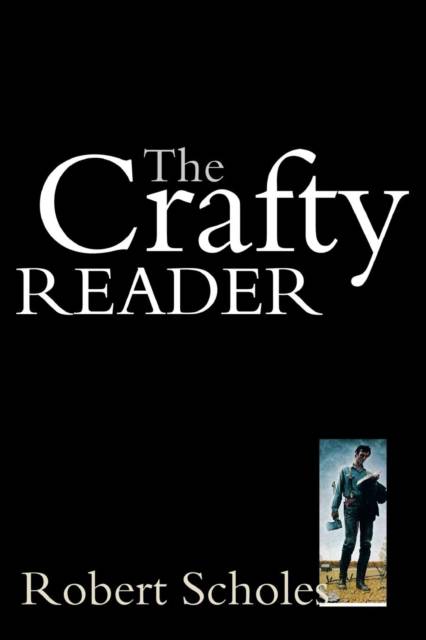
"I believe that it is in our interest as individuals to become crafty readers, and in the interest of the nation to educate citizens in the craft of reading. The craft, not the art. . . . This book is about that craft."-from the Introduction This latest book from the well-known literary critic Robert Scholes presents his thoughtful exploration of the craft of reading. He deals with reading not as an art or performance given by a virtuoso reader, but as a craft that can be studied, taught, and learned. Those who master the craft of reading, Scholes contends, will justifiably take responsibility for the readings they produce and the texts they choose to read. Scholes begins with a critique of the New Critical way of reading ("bad for poets and poetry and really terrible for students and teachers of poetry"), using examples of poems by various writers, in particular Edna St. Vincent Millay. He concludes with a consideration of the strengths and weaknesses of the fundamentalist way of reading texts regarded as sacred. To explain and clarify the approach of the crafty reader, the author analyzes a wide-ranging selection of texts by figures at the margins of the literary and cultural canon, including Norman Rockwell, Anaïs Nin, Dashiell Hammett, and J. K. Rowling. Throughout his discussion Scholes emphasizes how concepts of genre affect the reading process and how they may work to exclude certain texts from the cultural canon and curriculum.
Specificaties
Betrokkenen
- Auteur(s):
- Uitgeverij:
Inhoud
- Aantal bladzijden:
- 288
- Taal:
- Engels
Eigenschappen
- Productcode (EAN):
- 9780300191547
- Verschijningsdatum:
- 11/08/2011
- Uitvoering:
- Paperback
- Formaat:
- Trade paperback (VS)
- Afmetingen:
- 152 mm x 229 mm
- Gewicht:
- 412 g


Alleen bij Standaard Boekhandel
+ 128 punten op je klantenkaart van Standaard Boekhandel
Cadeau

AANGERADEN


Beoordelingen
We publiceren alleen reviews die voldoen aan de voorwaarden voor reviews. Bekijk onze voorwaarden voor reviews.