


- Afhalen na 1 uur in een winkel met voorraad
- Gratis thuislevering in België vanaf € 30
- Ruim aanbod met 7 miljoen producten
- Afhalen na 1 uur in een winkel met voorraad
- Gratis thuislevering in België vanaf € 30
- Ruim aanbod met 7 miljoen producten

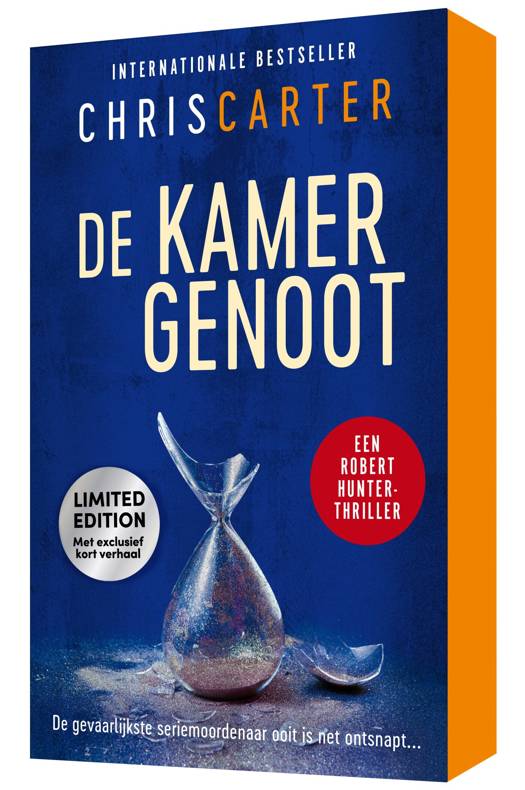



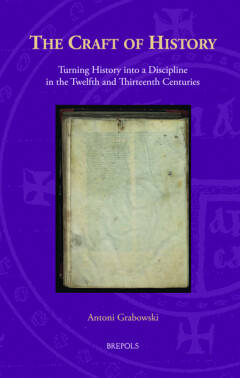
The Craft of History
Turning History Into a Discipline in the Twelfth and Thirteenth Centuries
Antoni Grabowski
€ 106,00
Omschrijving
History is today an established academic discipline, characterized by the use of footnotes and references to support claims. However, attempts to codify history and impose disciplinary rigour were made in the Middle Ages, even before the introduction of the modern apparatus. One such attempt was the use of the source mark, a precursor of the modern footnote. Initially used in the works of lawyers and theologians, the source mark indicated that a text and its ideas belonged to a named authority. The application of the source mark to historical writings marked a change in the way history was perceived. This volume explores how history was transformed into a discipline by focusing on four key twelfth-and thirteenth-century sources: the anonymous Status Imperii Iudaici, the Chronicle of Helinand of Froidmont, the Chronicle of Alberic of Trois-Fontaines, and Vincent of Beauvais's Speculum Historiale. By focusing on these four texts and examining the influences of surrounding disciplines such as law and theology, the author explores how these historical writers drew on a wide range of different sources of information to provide a truthful account of the past. Furthermore, the aim of producing a reliable narrative was combined with an awareness of the status of the author. Through these case studies, this volume offers a fascinating reassessment of our modern understanding of the origins of the study of history.
Specificaties
Betrokkenen
- Auteur(s):
- Uitgeverij:
Inhoud
- Aantal bladzijden:
- 282
- Taal:
- Engels
- Reeks:
- Reeksnummer:
- nr. 4
Eigenschappen
- Productcode (EAN):
- 9782503611044
- Verschijningsdatum:
- 1/05/2025
- Uitvoering:
- Hardcover
- Formaat:
- Genaaid
- Gewicht:
- 630 g


Alleen bij Standaard Boekhandel
Cadeau

AANGERADEN


Beoordelingen
We publiceren alleen reviews die voldoen aan de voorwaarden voor reviews. Bekijk onze voorwaarden voor reviews.