


- Afhalen na 1 uur in een winkel met voorraad
- Gratis thuislevering in België vanaf € 30
- Ruim aanbod met 7 miljoen producten
- Afhalen na 1 uur in een winkel met voorraad
- Gratis thuislevering in België vanaf € 30
- Ruim aanbod met 7 miljoen producten





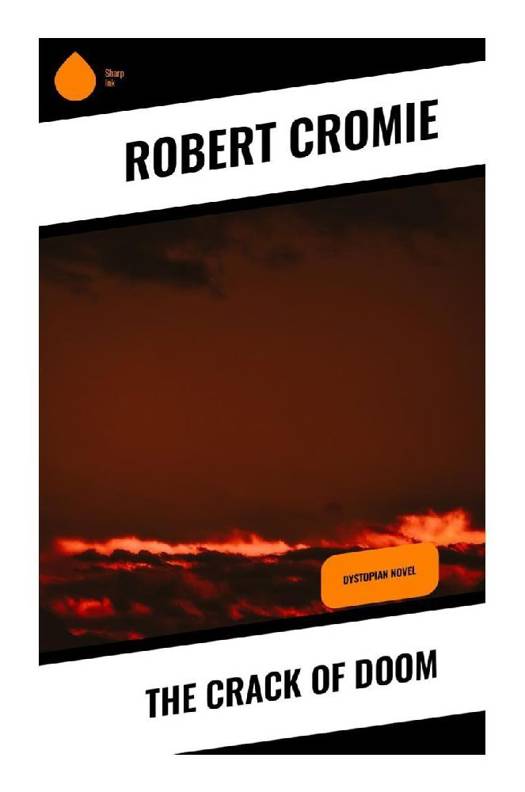
The Crack of Doom
A Victorian Scientific Romance of Catastrophic Invention and Early Atomic Apocalypse
Robert Cromie
Paperback | Engels
€ 8,95
+ 17 punten
Eenvoudig bestellen
Veilig betalen


Gratis thuislevering vanaf € 30 (via bpost)
Gratis levering in je Standaard Boekhandel
Omschrijving
Robert Cromie's The Crack of Doom is a striking late-Victorian scientific romance that imagines catastrophe not through supernatural apocalypse but through the reckless mastery of nature's hidden forces. Centred on a perilous scheme to release immense destructive energy from matter, the novel combines melodramatic plotting, adventure conventions, and speculative science in a manner characteristic of fin-de-siècle anxieties. Its brisk prose, sensational structure, and fascination with invention place it beside the early work of H. G. Wells, while its vision of technological power anticipates later atomic-age fears with remarkable prescience. Cromie, an Irish journalist and novelist active in the energetic literary marketplace of the 1890s, wrote at a time when discoveries in physics, electricity, and chemistry were transforming public imagination. His journalistic background helps explain the novel's urgency, clarity, and appetite for contemporary debate. The Crack of Doom reflects a culture both enthralled and unsettled by scientific progress, imperial ambition, and the possibility that human ingenuity might outrun moral restraint. This book is recommended to readers interested in early science fiction, Victorian popular literature, and the prehistory of nuclear imagination. Though shaped by the conventions of its age, it remains compelling for its audacity, historical significance, and darkly prophetic understanding of modern power.
Specificaties
Betrokkenen
- Auteur(s):
- Uitgeverij:
Inhoud
- Taal:
- Engels
Eigenschappen
- Productcode (EAN):
- 9788028372538
- Uitvoering:
- Paperback
- Afmetingen:
- 152 mm x 229 mm
- Gewicht:
- 125 g


Alleen bij Standaard Boekhandel
+ 17 punten op je klantenkaart van Standaard Boekhandel
CADEAU

AANGERADEN


Beoordelingen
We publiceren alleen reviews die voldoen aan de voorwaarden voor reviews. Bekijk onze voorwaarden voor reviews.