


- Afhalen na 1 uur in een winkel met voorraad
- Gratis thuislevering in België vanaf € 30
- Ruim aanbod met 7 miljoen producten
- Afhalen na 1 uur in een winkel met voorraad
- Gratis thuislevering in België vanaf € 30
- Ruim aanbod met 7 miljoen producten





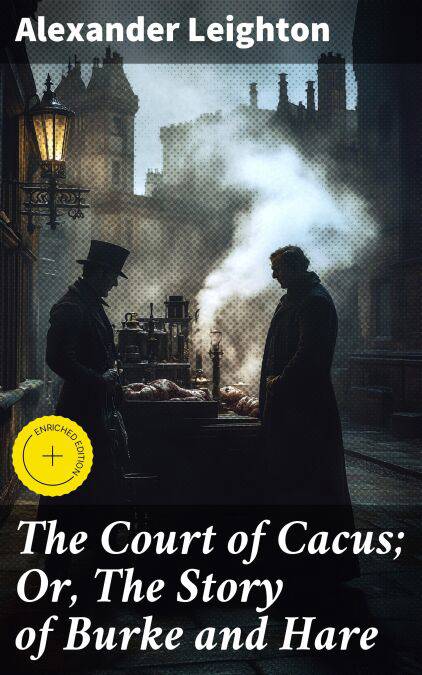
The Court of Cacus; Or, The Story of Burke and Hare E-BOOK
Enriched edition. Uncovering the Notorious Crimes of Burke and Hare: A Dark Tale of Moral Ambiguity and Twisted Relationships
Alexander Leighton
E-book | Engels
€ 1,99
+ 1 punten
Omschrijving
In "The Court of Cacus; Or, The Story of Burke and Hare," Alexander Leighton delves into the grotesque realities of 19th-century Edinburgh, weaving a macabre narrative that intertwines elements of horror and dark humor. The book is structured around the infamous true-crime saga of William Burke and William Hare, who infamously supplied bodies for medical dissection in a city grappling with moral and scientific dilemmas. Leighton's literary style features vivid imagery and a satirical tone, reflecting the societal tensions between progress and ethics, while also critiquing Victorian sensibilities surrounding death and the body in a deeply engaging manner. Alexander Leighton, a figure who occupied both literary and medical realms, drew upon his background in medicine and fascination with human nature to explore the themes of morality, societal constraints, and the darker impulses of the human psyche. His unique insight into the medical practices of the time, coupled with an acute understanding of the public's fascination with gruesome tales, influenced his writing of this work, which serves as both a historical document and social commentary. This captivating volume is highly recommended for readers interested in true crime, Victorian history, and literature that challenges moral conventions. Leighton's adept storytelling not only entertains but also invites critical reflection, making it a significant contribution to the genre and a must-read for anyone captivated by the intersection of crime, ethical dilemmas, and human curiosity.
In this enriched edition, we have carefully created added value for your reading experience:
- Hand‐picked Memorable Quotes shine a spotlight on moments of literary brilliance.
- Interactive footnotes clarify unusual references, historical allusions, and archaic phrases for an effortless, more informed read.
In this enriched edition, we have carefully created added value for your reading experience:
- Hand‐picked Memorable Quotes shine a spotlight on moments of literary brilliance.
- Interactive footnotes clarify unusual references, historical allusions, and archaic phrases for an effortless, more informed read.
Specificaties
Betrokkenen
- Auteur(s):
- Uitgeverij:
Inhoud
- Aantal bladzijden:
- 285
- Taal:
- Engels
Eigenschappen
- Productcode (EAN):
- 4064066171483
- Verschijningsdatum:
- 25/04/2021
- Uitvoering:
- E-book
- Beveiligd met:
- Digital watermarking
- Formaat:
- ePub


Alleen bij Standaard Boekhandel
+ 1 punten op je klantenkaart van Standaard Boekhandel
AANGERADEN


Beoordelingen
We publiceren alleen reviews die voldoen aan de voorwaarden voor reviews. Bekijk onze voorwaarden voor reviews.