


- Afhalen na 1 uur in een winkel met voorraad
- Gratis thuislevering in België vanaf € 30
- Ruim aanbod met 7 miljoen producten
- Afhalen na 1 uur in een winkel met voorraad
- Gratis thuislevering in België vanaf € 30
- Ruim aanbod met 7 miljoen producten





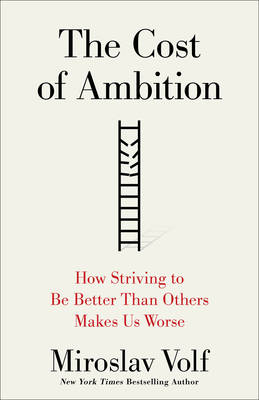
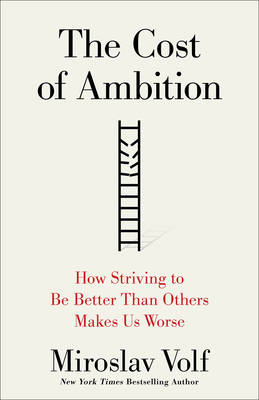
The Cost of Ambition
How Striving to Be Better Than Others Makes Us Worse
Miroslav Volf
Paperback | Engels
€ 34,95
+ 69 punten
Omschrijving
Many people believe that ambition--striving to be better than others--improves us and advances society. But what if it actually makes us worse?
The Cost of Ambition, now in paperback, argues that striving for superiority has negative consequences in all domains of life. World-renowned theologian and award-winning author Miroslav Volf explores
- how we can achieve excellence rather than strive for superiority;
- what Søren Kierkegaard, John Milton, and the apostle Paul say about the cost of ambition;
- how to stop being plagued by our own sense of inferiority to others; and
- why Christians must retrieve a humbler way of life.
Volf also examines what the teachings of Jesus and the stories in Genesis say on the matter. Volf explains how striving to be better than others devalues our achievements, surroundings, and relationships by turning them into mere means to an empty goal. This pursuit, though widely accepted in modern life, is at odds with key Christian convictions. After exposing the toxicity of ambition, Volf uses contemporary examples to guide us toward striving for excellence.
"Offers a profound critique of competitive striving through a rich theological and philosophical lens."--Christianity Today
The Cost of Ambition, now in paperback, argues that striving for superiority has negative consequences in all domains of life. World-renowned theologian and award-winning author Miroslav Volf explores
- how we can achieve excellence rather than strive for superiority;
- what Søren Kierkegaard, John Milton, and the apostle Paul say about the cost of ambition;
- how to stop being plagued by our own sense of inferiority to others; and
- why Christians must retrieve a humbler way of life.
Volf also examines what the teachings of Jesus and the stories in Genesis say on the matter. Volf explains how striving to be better than others devalues our achievements, surroundings, and relationships by turning them into mere means to an empty goal. This pursuit, though widely accepted in modern life, is at odds with key Christian convictions. After exposing the toxicity of ambition, Volf uses contemporary examples to guide us toward striving for excellence.
"Offers a profound critique of competitive striving through a rich theological and philosophical lens."--Christianity Today
Specificaties
Betrokkenen
- Auteur(s):
- Uitgeverij:
Inhoud
- Aantal bladzijden:
- 208
- Taal:
- Engels
Eigenschappen
- Productcode (EAN):
- 9781587437311
- Verschijningsdatum:
- 30/06/2026
- Uitvoering:
- Paperback
- Formaat:
- Trade paperback (VS)
- Afmetingen:
- 140 mm x 216 mm


Alleen bij Standaard Boekhandel
+ 69 punten op je klantenkaart van Standaard Boekhandel
Cadeau

AANGERADEN


Beoordelingen
We publiceren alleen reviews die voldoen aan de voorwaarden voor reviews. Bekijk onze voorwaarden voor reviews.