


- Afhalen na 1 uur in een winkel met voorraad
- Gratis thuislevering in België vanaf € 30
- Ruim aanbod met 7 miljoen producten
- Afhalen na 1 uur in een winkel met voorraad
- Gratis thuislevering in België vanaf € 30
- Ruim aanbod met 7 miljoen producten





€ 38,45
+ 76 punten
Uitvoering
Omschrijving
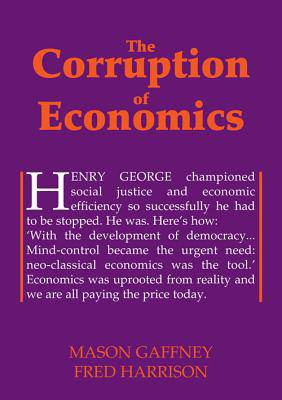
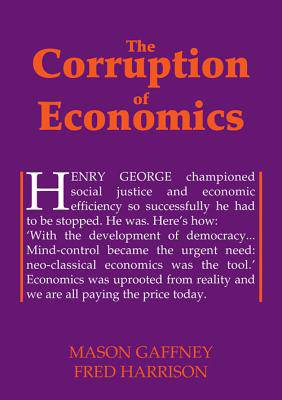
Condemning the post-industrial economy to protracted periods of economic failure, this thought-provoking book documents how the integrity of economics as a discipline was deliberately compromised in the United States towards the end of the 19th century. Several chairs of economics were funded at leading universities to rebrand economics to justify unearned income. The tools for this strategy became neo-classical economics, and, unlike classical economists like Adam Smith who described wealth as the product of three factors--land, labor, and capital--the new theorists reduced these to two: labor and capital, thus treating land as capital. This concealed the benefits enjoyed by those in receipt of the rent from land. The effect, the authors reveal, was to deprive professional economists of the ability to diagnose problems, forecast important trends, and prescribe solutions.
Specificaties
Betrokkenen
- Auteur(s):
- Uitgeverij:
Inhoud
- Aantal bladzijden:
- 272
- Taal:
- Engels
- Reeks:
Eigenschappen
- Productcode (EAN):
- 9780856832444
- Verschijningsdatum:
- 1/04/2007
- Uitvoering:
- Paperback
- Formaat:
- Trade paperback (VS)
- Afmetingen:
- 169 mm x 209 mm
- Gewicht:
- 530 g


Alleen bij Standaard Boekhandel
+ 76 punten op je klantenkaart van Standaard Boekhandel
Cadeau

AANGERADEN


Beoordelingen
We publiceren alleen reviews die voldoen aan de voorwaarden voor reviews. Bekijk onze voorwaarden voor reviews.