


- Afhalen na 1 uur in een winkel met voorraad
- Gratis thuislevering in België vanaf € 30
- Ruim aanbod met 7 miljoen producten
- Afhalen na 1 uur in een winkel met voorraad
- Gratis thuislevering in België vanaf € 30
- Ruim aanbod met 7 miljoen producten





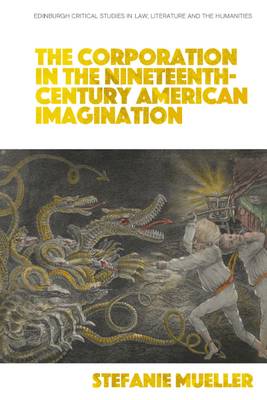
The Corporation in the Nineteenth-Century American Imagination
Stefanie Mueller
€ 152,95
+ 305 punten
Uitvoering
Omschrijving
This book examines the way the corporation - a legal concept of enduring and timely importance in the Anglo-American legal tradition - was imagined in the nineteenth century historical imagination.Stefanie Mueller traces the ways in which literary and cultural representations of the corporation in nineteenth-century America helped shift how the corporation was envisioned; from a public tool meant to serve the common good, to an instrument of private enterprise. She explores how artists and writers together with lawyers and economists represented this transformation through narrative and metaphor. Drawing on a range of legal, literary and visual texts, she shows how the corporation's public origins as well as its fundamentally collective nature continued to be relevant much longer than previous scholarship has argued.
Specificaties
Betrokkenen
- Auteur(s):
- Uitgeverij:
Inhoud
- Aantal bladzijden:
- 224
- Taal:
- Engels
- Reeks:
Eigenschappen
- Productcode (EAN):
- 9781399505000
- Verschijningsdatum:
- 13/12/2022
- Uitvoering:
- Hardcover
- Formaat:
- Genaaid
- Afmetingen:
- 156 mm x 234 mm
- Gewicht:
- 485 g


Alleen bij Standaard Boekhandel
+ 305 punten op je klantenkaart van Standaard Boekhandel
Cadeau

AANGERADEN


Beoordelingen
We publiceren alleen reviews die voldoen aan de voorwaarden voor reviews. Bekijk onze voorwaarden voor reviews.