


- Afhalen na 1 uur in een winkel met voorraad
- Gratis thuislevering in België vanaf € 30
- Ruim aanbod met 7 miljoen producten
- Afhalen na 1 uur in een winkel met voorraad
- Gratis thuislevering in België vanaf € 30
- Ruim aanbod met 7 miljoen producten





€ 162,45
+ 324 punten
Omschrijving
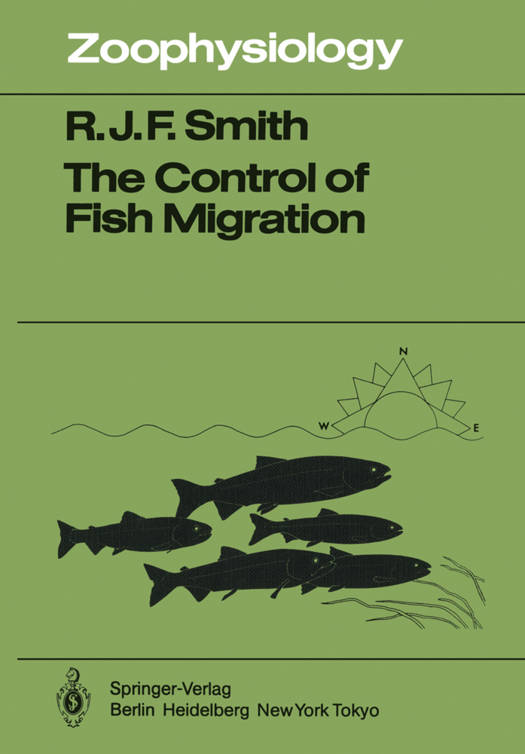
Fish migration is important and spectacular. Migratory fish gather energy in one portion of the environment and transport it to other areas, where it often becomes available to humans or to other elements in the ecosystem. Migration brings fish into situations that allow easy harvest as they concentrate along migration routes. Their journeys also make them vulnerable to human intereference at critical points along their route. Salmon, for example, may harvest plankton in the open ocean and transport that food energy to coastal and inland regions, where it is captured by fisheries or deposited in inland streams and utilized by the flora and fauna of the region. These salmon are able to complete journeys of thousands of kilometers from their natal streams to oceanic feeding grounds and back to the same home streams, an accomplishment that strains our credi bili ty . We now understand some of the timing and guiding stimuli used in these migrations, and mechanisms can be logically proposed, on the basis of the established abilities of fishes, to account for the unexplained portions of the migrations. There is no single factor guiding these fish. Instead, they are dependent on the presence in their environment of a great variety of appropriate orienting and timing stimuli. These stimuli are vulnerable to human interference. The more widespread and easily available the information on these requirements, the more readily fish can be protected from such interference.
Specificaties
Betrokkenen
- Auteur(s):
- Uitgeverij:
Inhoud
- Aantal bladzijden:
- 246
- Taal:
- Engels
- Reeks:
- Reeksnummer:
- nr. 17
Eigenschappen
- Productcode (EAN):
- 9783642823503
- Verschijningsdatum:
- 8/12/2011
- Uitvoering:
- Paperback
- Formaat:
- Trade paperback (VS)
- Afmetingen:
- 170 mm x 244 mm
- Gewicht:
- 430 g


Alleen bij Standaard Boekhandel
+ 324 punten op je klantenkaart van Standaard Boekhandel

Beoordelingen
We publiceren alleen reviews die voldoen aan de voorwaarden voor reviews. Bekijk onze voorwaarden voor reviews.