


- Afhalen na 1 uur in een winkel met voorraad
- Gratis thuislevering in België vanaf € 30
- Ruim aanbod met 7 miljoen producten
- Afhalen na 1 uur in een winkel met voorraad
- Gratis thuislevering in België vanaf € 30
- Ruim aanbod met 7 miljoen producten





€ 220,45
+ 440 punten
Uitvoering
Eenvoudig bestellen
Veilig betalen


Gratis thuislevering vanaf € 30 (via bpost)
Gratis levering in je Standaard Boekhandel
Omschrijving
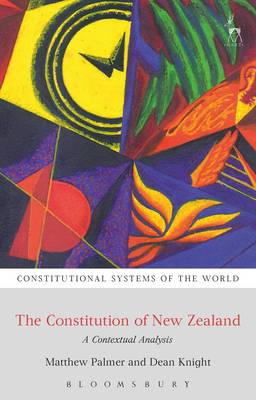
This book examines New Zealand's constitution, through the lens of constitutional realism. It looks at the practices, habits, conventions and norms of constitutional life. It focuses on the structures, processes and culture that govern the exercise of public power - a perspective that is necessary to explore and account for a lived, rather than
textual, constitution.
New Zealand's constitution is unique. One of three remaining unwritten democratic constitutions in the world, it is characterised by a charming set of anachronistic contrasts. "Unwritten", but much found in various written sources. Built on a network of Westminster constitutional conventions but generously tailored to local conditions. Proudly independent, yet perhaps a purer Westminster model than its British parent.
Flexible and vulnerable, while oddly enduring. It looks to the centralised authority that comes with a strong executive, strict parliamentary sovereignty, and a unitary state. However, its populace insists on egalitarian values and representative democracy, with elections fiercely conducted nowadays under a system of proportional representation. The interests of indigenous Maori are protected largely through democratic majority rule. A reputation for upholding the rule of law, yet few institutional safeguards to ensure compliance.
Specificaties
Betrokkenen
- Auteur(s):
- Uitgeverij:
Inhoud
- Aantal bladzijden:
- 296
- Taal:
- Engels
- Reeks:
Eigenschappen
- Productcode (EAN):
- 9781849469036
- Verschijningsdatum:
- 10/02/2022
- Uitvoering:
- Hardcover
- Formaat:
- Genaaid
- Afmetingen:
- 140 mm x 216 mm
- Gewicht:
- 489 g


Alleen bij Standaard Boekhandel
+ 440 punten op je klantenkaart van Standaard Boekhandel
CADEAU

AANGERADEN


Beoordelingen
We publiceren alleen reviews die voldoen aan de voorwaarden voor reviews. Bekijk onze voorwaarden voor reviews.