



Je cadeautjes zeker op tijd in huis hebben voor de feestdagen? Kom langs in onze winkels en vind het perfecte geschenk!
- Afhalen na 1 uur in een winkel met voorraad
- Gratis thuislevering in België vanaf € 30
- Ruim aanbod met 7 miljoen producten
Je cadeautjes zeker op tijd in huis hebben voor de feestdagen? Kom langs in onze winkels en vind het perfecte geschenk!
- Afhalen na 1 uur in een winkel met voorraad
- Gratis thuislevering in België vanaf € 30
- Ruim aanbod met 7 miljoen producten





€ 64,45
+ 128 punten
Omschrijving
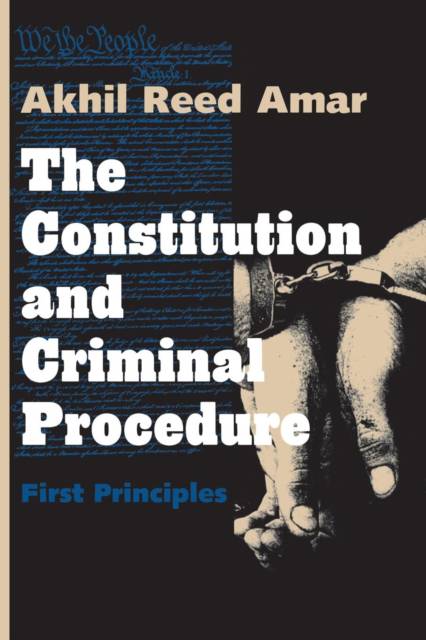
Under the banners of the Fourth, Fifth, and Sixth Amendments, the Supreme Court has constitutionalized a vast amount of criminal procedure law in ways that often reward the guilty while hurting the innocent. In this sweeping and provocative book, a distinguished constitutional scholar critiques these developments and reconceptualizes the basic foundations of the field.
Akhil Amar examines the role of search warrants, the status of the exclusionary rule, self-incrimination theory and practice, and a host of Sixth Amendment trial-related rights. Through a close and original analysis of constitutional text, history, structure, and precedent--leavened with a healthy measure of common sense--he challenges conventional wisdom on a broad range of topics. He argues that the exclusion of reliable evidence in criminal trials is wrong in principle and in practice; unlawfully seized evidence and fruits of immunized testimony should be constitutionally admissible in criminal trials. Deterrence of government misconduct should in general occur through civil damage suits and administrative sanctions rather than through criminal exclusion.
Although addressed to lawyers, judges, and law students, this bold book ultimately targets a much broader audience of policymakers and citizens who seek to understand the principles of this controversial area of constitutional law.
Akhil Amar examines the role of search warrants, the status of the exclusionary rule, self-incrimination theory and practice, and a host of Sixth Amendment trial-related rights. Through a close and original analysis of constitutional text, history, structure, and precedent--leavened with a healthy measure of common sense--he challenges conventional wisdom on a broad range of topics. He argues that the exclusion of reliable evidence in criminal trials is wrong in principle and in practice; unlawfully seized evidence and fruits of immunized testimony should be constitutionally admissible in criminal trials. Deterrence of government misconduct should in general occur through civil damage suits and administrative sanctions rather than through criminal exclusion.
Although addressed to lawyers, judges, and law students, this bold book ultimately targets a much broader audience of policymakers and citizens who seek to understand the principles of this controversial area of constitutional law.
Specificaties
Betrokkenen
- Auteur(s):
- Uitgeverij:
Inhoud
- Aantal bladzijden:
- 288
- Taal:
- Engels
Eigenschappen
- Productcode (EAN):
- 9780300074888
- Verschijningsdatum:
- 30/03/1998
- Uitvoering:
- Paperback
- Formaat:
- Trade paperback (VS)
- Afmetingen:
- 158 mm x 235 mm
- Gewicht:
- 417 g


Alleen bij Standaard Boekhandel
+ 128 punten op je klantenkaart van Standaard Boekhandel
CADEAU


Beoordelingen
We publiceren alleen reviews die voldoen aan de voorwaarden voor reviews. Bekijk onze voorwaarden voor reviews.