


- Afhalen na 1 uur in een winkel met voorraad
- Gratis thuislevering in België vanaf € 30
- Ruim aanbod met 7 miljoen producten
- Afhalen na 1 uur in een winkel met voorraad
- Gratis thuislevering in België vanaf € 30
- Ruim aanbod met 7 miljoen producten





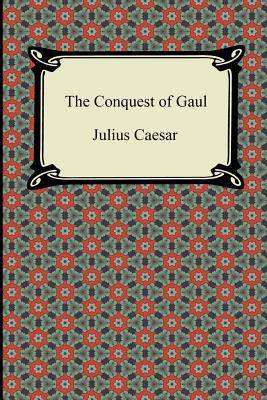
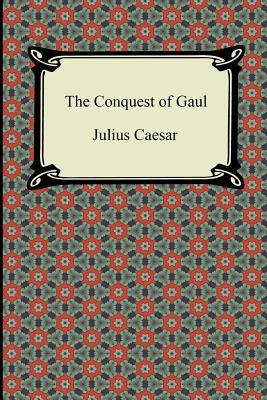
Omschrijving
First published just before the end of the Roman Republic by that legendary country's most immortalized leader, "The Conquest of Gaul," also called "Commentarii de Bello Gallico," is an account of Julius Caesar's capture of Gaul in the first century. Beginning with the Helvetian War in 58 BC, Caesar uses his exemplary Latin prose to explain how his forces were protecting Provence, and how they were later drawn out in campaigns against the Veneti, the Aquitani, numerous Germanic peoples, the Belgae, the Gauls, and the Bretons. Caesar, perhaps in defense of his expensive and geographically vast wars, explains the methods of his campaigns, from the timing of the seasons to provisioning and defense. This autobiographical work is both a concise reckoning of forces and an informative wartime narrative, consistently revealing the author as a politically brilliant commander and an unrivaled man.
Specificaties
Betrokkenen
- Auteur(s):
- Uitgeverij:
Inhoud
- Aantal bladzijden:
- 140
- Taal:
- Engels
Eigenschappen
- Productcode (EAN):
- 9781420945140
- Verschijningsdatum:
- 1/01/2012
- Uitvoering:
- Paperback
- Formaat:
- Trade paperback (VS)
- Afmetingen:
- 152 mm x 229 mm
- Gewicht:
- 213 g


Alleen bij Standaard Boekhandel
+ 24 punten op je klantenkaart van Standaard Boekhandel
Cadeau

AANGERADEN


Beoordelingen
We publiceren alleen reviews die voldoen aan de voorwaarden voor reviews. Bekijk onze voorwaarden voor reviews.