


- Afhalen na 1 uur in een winkel met voorraad
- Gratis thuislevering in België vanaf € 30
- Ruim aanbod met 7 miljoen producten
- Afhalen na 1 uur in een winkel met voorraad
- Gratis thuislevering in België vanaf € 30
- Ruim aanbod met 7 miljoen producten





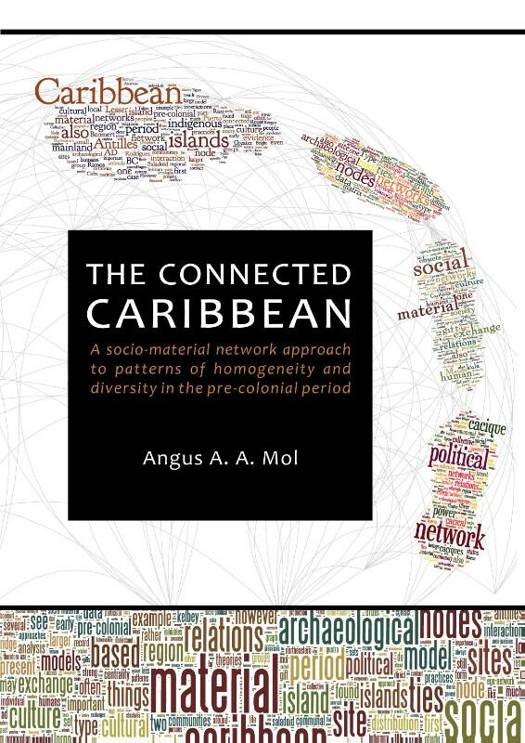
The Connected Caribbean
A Socio-Material Network Approach to Patterns of Homogeneity and Diversity in the Pre-Colonial Period
Angus A a Mol
€ 50,00
+ 100 punten
Omschrijving
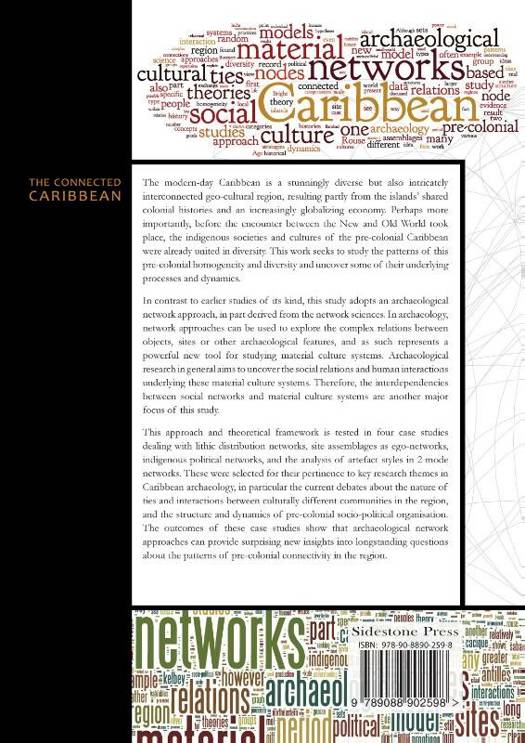
The modern-day Caribbean is a stunningly diverse but also intricately interconnected geo-cultural region, resulting partly from the islands' shared colonial histories and an increasingly globalizing economy. Perhaps more importantly, before the encounter between the New and Old World took place, the indigenous societies and cultures of the pre-colonial Caribbean were already united in diversity. This work seeks to study the patterns of this pre-colonial homogeneity and diversity and uncover some of their underlying processes and dynamics.
In contrast to earlier studies of its kind, this study adopts an archaeological network approach, in part derived from the network sciences. In archaeology, network approaches can be used to explore the complex relations between objects, sites or other archaeological features, and as such represents a powerful new tool for studying material culture systems. Archaeological research in general aims to uncover the social relations and human interactions underlying these material culture systems. Therefore, the interdependencies between social networks and material culture systems are another major focus of this study.
This approach and theoretical framework is tested in four case studies dealing with lithic distribution networks, site assemblages as ego-networks, indigenous political networks, and the analysis of artefact styles in 2-mode networks. These were selected for their pertinence to key research themes in Caribbean archaeology, in particular the current debates about the nature of ties and interactions between culturally different communities in the region, and the structure and dynamics of pre-colonial socio-political organisation. The outcomes of these case studies show that archaeological network approaches can provide surprising new insights into longstanding questions about the patterns of pre-colonial connectivity in the region.
In contrast to earlier studies of its kind, this study adopts an archaeological network approach, in part derived from the network sciences. In archaeology, network approaches can be used to explore the complex relations between objects, sites or other archaeological features, and as such represents a powerful new tool for studying material culture systems. Archaeological research in general aims to uncover the social relations and human interactions underlying these material culture systems. Therefore, the interdependencies between social networks and material culture systems are another major focus of this study.
This approach and theoretical framework is tested in four case studies dealing with lithic distribution networks, site assemblages as ego-networks, indigenous political networks, and the analysis of artefact styles in 2-mode networks. These were selected for their pertinence to key research themes in Caribbean archaeology, in particular the current debates about the nature of ties and interactions between culturally different communities in the region, and the structure and dynamics of pre-colonial socio-political organisation. The outcomes of these case studies show that archaeological network approaches can provide surprising new insights into longstanding questions about the patterns of pre-colonial connectivity in the region.
Specificaties
Betrokkenen
- Auteur(s):
- Uitgeverij:
Inhoud
- Aantal bladzijden:
- 328
- Taal:
- Engels
- Reeks:
Eigenschappen
- Productcode (EAN):
- 9789088902598
- Verschijningsdatum:
- 31/05/2014
- Uitvoering:
- Paperback
- Formaat:
- Trade paperback (VS)
- Afmetingen:
- 180 mm x 254 mm
- Gewicht:
- 589 g


Alleen bij Standaard Boekhandel
+ 100 punten op je klantenkaart van Standaard Boekhandel
CADEAU

AANGERADEN


Beoordelingen
We publiceren alleen reviews die voldoen aan de voorwaarden voor reviews. Bekijk onze voorwaarden voor reviews.