



- Afhalen na 1 uur in een winkel met voorraad
- In januari gratis thuislevering in België
- Ruim aanbod met 7 miljoen producten
- Afhalen na 1 uur in een winkel met voorraad
- In januari gratis thuislevering in België
- Ruim aanbod met 7 miljoen producten





€ 62,95
+ 125 punten
Omschrijving
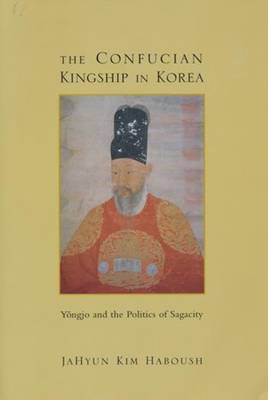
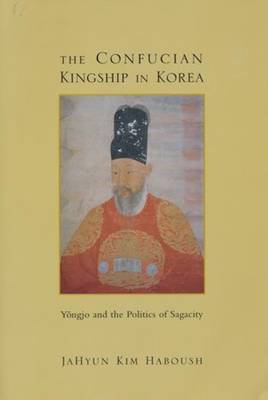
The Neo-Confucian kingship was based on the ideal of the sage king, an ordinary human being rendered supreme through his extraordinary virtue. The eighteenth-century Korean ruler Yôngjo, one of that country's most illustrious yet most tragic rulers, is a fascinating example of the Neo-Confucian sage kingship. In this book, JaHyun Kim Haboush provides an outstanding, dramatically realized introduction to traditional Korean culture through the story of Yôngjo, and offers profound insights into the complex interplay between Confucian rhetoric and the politics of the Yi monarchy. Haboush focuses on the deteriorating relationship between Yôngjo and his only son, Crown Prince Sado, and relates the agonizing choices the Confucian ruler was forced to make between saving either his son or his dynasty. Originally published as A Heritage of Kings, this paperback edition contains a new preface reflecting new discoveries and updated scholarship in the field.
Specificaties
Betrokkenen
- Auteur(s):
- Uitgeverij:
Inhoud
- Aantal bladzijden:
- 336
- Taal:
- Engels
- Reeks:
Eigenschappen
- Productcode (EAN):
- 9780231066570
- Verschijningsdatum:
- 7/05/2001
- Uitvoering:
- Paperback
- Formaat:
- Trade paperback (VS)
- Afmetingen:
- 152 mm x 229 mm
- Gewicht:
- 508 g


Alleen bij Standaard Boekhandel
+ 125 punten op je klantenkaart van Standaard Boekhandel
Cadeau

AANGERADEN


Beoordelingen
We publiceren alleen reviews die voldoen aan de voorwaarden voor reviews. Bekijk onze voorwaarden voor reviews.