


- Afhalen na 1 uur in een winkel met voorraad
- Gratis thuislevering in België vanaf € 30
- Ruim aanbod met 7 miljoen producten
- Afhalen na 1 uur in een winkel met voorraad
- Gratis thuislevering in België vanaf € 30
- Ruim aanbod met 7 miljoen producten





€ 1,99
+ 1 punten
Omschrijving
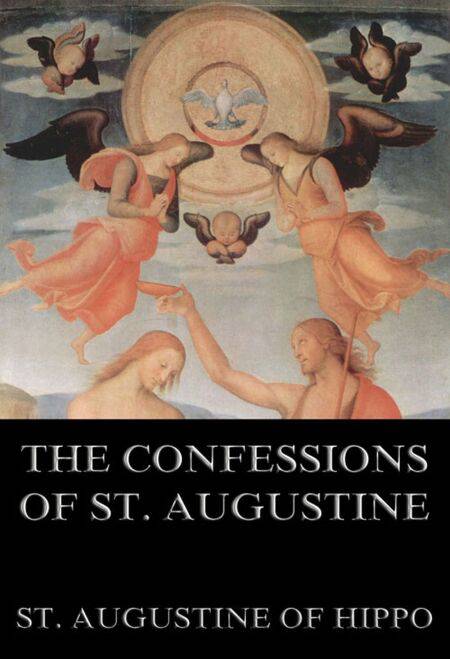
Confessions (Latin: Confessiones) is the name of an autobiographical work, consisting of 13 books, by St. Augustine of Hippo, written between AD 397 and AD 398. Modern English translations of it are sometimes published under the title The Confessions of St. Augustine in order to distinguish the book from other books with similar titles. Its original title was "Confessions in Thirteen Books", and it was composed to be read out loud with each book being a complete unit. The work outlines Augustine's sinful youth and his conversion to Christianity. It is widely seen as the first Western autobiography ever written, and was an influential model for Christian writers throughout the following 1000 years of the Middle Ages. It is not a complete autobiography, as it was written in his early 40s, and he lived long afterwards, producing another important work (City of God); it does, nonetheless, provide an unbroken record of his development of thought and is the most complete record of any single person from the 4th and 5th centuries. (from wikipedia.com)
Specificaties
Betrokkenen
- Auteur(s):
- Vertaler(s):
- Uitgeverij:
Inhoud
- Aantal bladzijden:
- 812
- Taal:
- Engels
Eigenschappen
- Productcode (EAN):
- 9783849623630
- Verschijningsdatum:
- 20/07/2012
- Uitvoering:
- E-book
- Beveiligd met:
- Digital watermarking
- Formaat:
- ePub


Alleen bij Standaard Boekhandel
+ 1 punten op je klantenkaart van Standaard Boekhandel
Cadeau

AANGERADEN


Beoordelingen
We publiceren alleen reviews die voldoen aan de voorwaarden voor reviews. Bekijk onze voorwaarden voor reviews.