


- Afhalen na 1 uur in een winkel met voorraad
- Gratis thuislevering in België vanaf € 30
- Ruim aanbod met 7 miljoen producten
- Afhalen na 1 uur in een winkel met voorraad
- Gratis thuislevering in België vanaf € 30
- Ruim aanbod met 7 miljoen producten





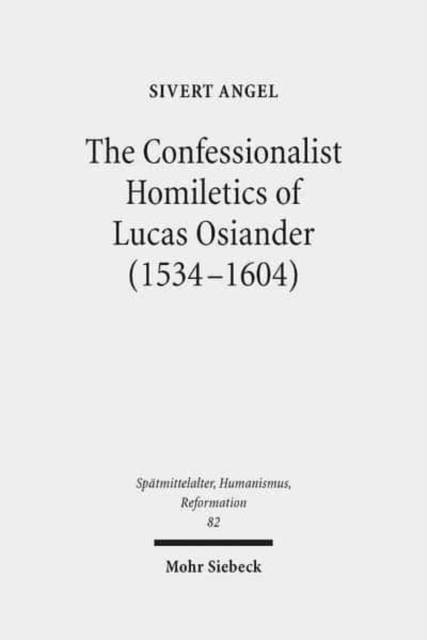
The Confessionalist Homiletics of Lucas Osiander (1534-1604)
A Study of a South-German Lutheran Preacher in the Age of Confessionalization
Sivert Angel
€ 125,45
+ 250 punten
Omschrijving
Lucas Osiander (1534-1604) was an influential preacher of the Lutheran orthodoxy. As a Wuerttemberg court preacher and superintendent, he played a central role when the country was established as one of the leading Lutheran forces in the Empire. Osiander preached to a wide audience in a time when sermons were a privileged form of communication and when preachers could address and negotiate the central interests in society. Using confessionalization theory, Sivert Angel studies Osiander's preaching in its political and theological context and shows how Osiander as a preacher could exert political influence. By analyzing Osiander's sermons in light of his own homiletic, the author describes how Osiander's role as a preacher may be traced in his sermons' rhetoric structures and in his use of theological concepts. The discussion of Osiander's theory and practice of preaching documents the ways that Osiander's sermons reinforced the existing political and social order and portrays central aspects of theology and piety in the later sixteenth century.
Specificaties
Betrokkenen
- Auteur(s):
- Uitgeverij:
Inhoud
- Aantal bladzijden:
- 306
- Taal:
- Engels
- Reeks:
- Reeksnummer:
- nr. 82
Eigenschappen
- Productcode (EAN):
- 9783161534676
- Verschijningsdatum:
- 1/11/2014
- Uitvoering:
- Hardcover
- Formaat:
- Genaaid
- Afmetingen:
- 167 mm x 232 mm
- Gewicht:
- 452 g


Alleen bij Standaard Boekhandel
+ 250 punten op je klantenkaart van Standaard Boekhandel
Cadeau

AANGERADEN


Beoordelingen
We publiceren alleen reviews die voldoen aan de voorwaarden voor reviews. Bekijk onze voorwaarden voor reviews.